
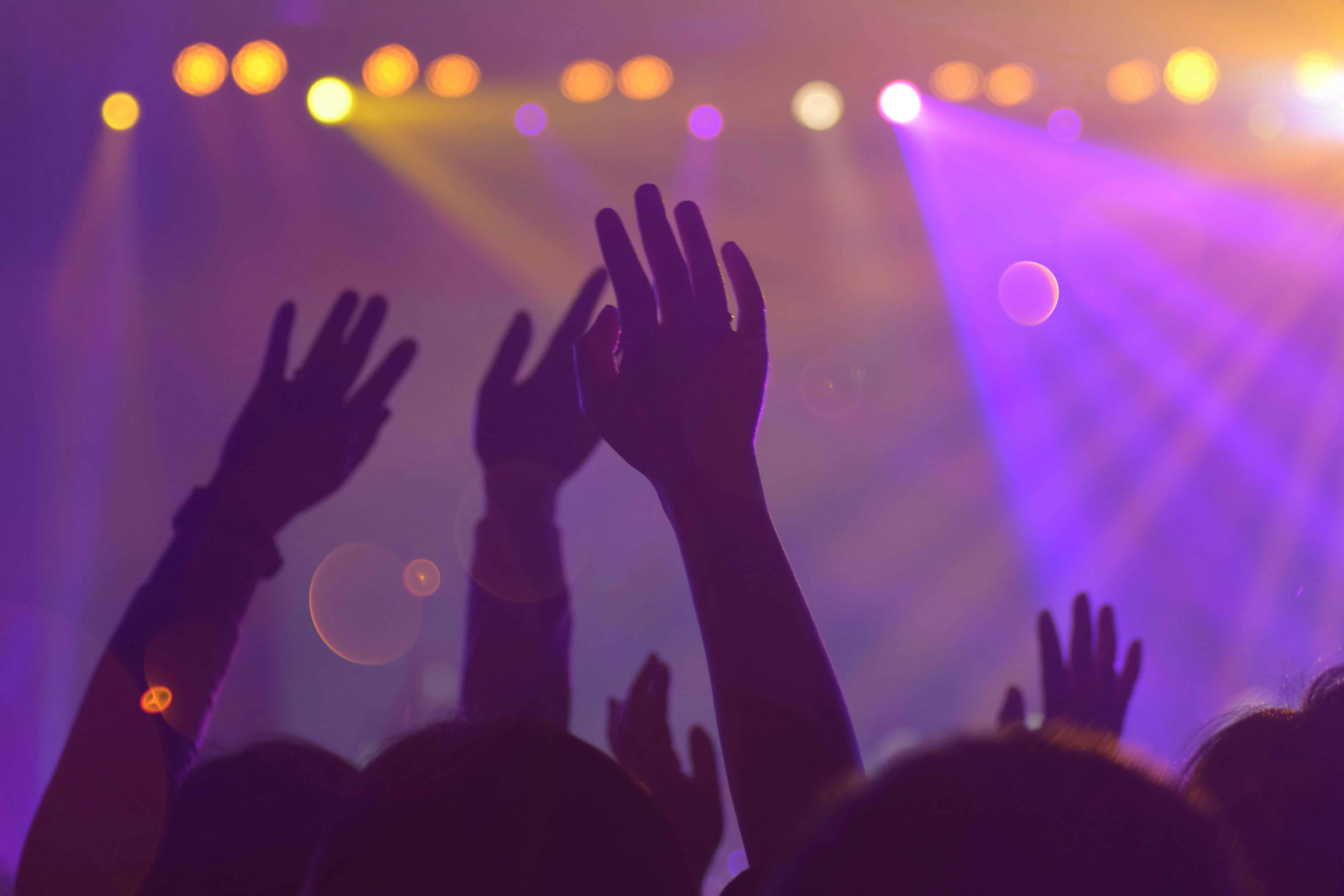
First concert anxiety often catches people off guard because it doesn’t match how they usually move through the world. Someone can be confident at work, comfortable traveling alone, and socially capable in everyday settings, then suddenly feel overwhelmed, tense, or unsettled at a concert and not understand why. That mismatch is what makes the anxiety feel alarming. It doesn’t register as ordinary nerves. It feels like something is wrong.
What’s happening is less personal than it feels. A first concert is a high-intensity environment with very little predictability. The sound is louder than most daily experiences. The crowd behaves differently than in normal public spaces. The timing, pacing, and social cues aren’t obvious yet. Without a reference point, the nervous system stays on alert, scanning for what to expect next.
For many people, discomfort concentrates early. Anxiety often peaks before entering the venue or within the first ten to fifteen minutes inside. That spike can feel urgent and convincing, as if it’s a signal that coming was a mistake. More often, it’s simply the adjustment phase, the period before the environment becomes familiar enough for the body to relax.
The reaction isn’t a sign that live music isn’t enjoyable or that something is fundamentally wrong. It’s a response to unfamiliar intensity. When the body hasn’t learned the pattern yet, it treats uncertainty as a threat. Once predictability returns, the anxiety usually drops on its own.
Understanding this timing matters. Most people who leave early do so during the most intense window, before their nervous system has had a chance to settle. When the reaction is seen as temporary rather than diagnostic, it becomes easier to stay long enough for that shift to happen.
- Is It Normal to Feel Anxious Before Your First Concert?
- Why First Concert Anxiety Hits Even Confident, Social People
- The Real Cause: Unpredictability, Unspoken Rules, and Anticipation Pressure
- Why Anxiety Peaks Before Entry and in the First 10–15 Minutes Inside
- Excitement and Anxiety Feel the Same in the Body
- The Post-Entry Regret Spike: “I Shouldn’t Have Come”
- What If I Panic Once I’m Inside the Venue?
- If the Crowd Makes You Feel Trapped or Claustrophobic
- Going to Your First Concert Alone: Why It Can Feel More Intense
- Why Alcohol Often Complicates Concert Anxiety
- Small Environmental Adjustments That Lower Overwhelm
- Bathroom, Water, and Body Logistics
- Why the Urge to Leave Early Feels Urgent but Is Often Misleading
- How to Stay Through the Peak Without Forcing Enjoyment
- Why Things Usually Get Easier Once the Set Settles In
- Do Future Concerts Feel Easier After the First One?
- Frequently Asked Questions About First Concert Anxiety
- Why Staying Through the Peak Changes the Entire Experience
Is It Normal to Feel Anxious Before Your First Concert?
Yes. Feeling anxious before a first concert is common, even among people who don’t identify as anxious in general. The reaction isn’t a reflection of personality, emotional strength, or social ability. It’s a response to walking into an environment that combines novelty, intensity, and uncertainty all at once.
A concert compresses several unfamiliar elements into a short span of time. Loud sound, dense crowds, shifting lights, and unclear pacing arrive together, often after hours or days of anticipation. The nervous system doesn’t yet know how long things last, where relief points are, or what “normal” looks like inside the venue. Until that information is learned, the body stays alert by default.
This is why the anxiety can feel disproportionate. Nothing is objectively wrong, yet the body reacts as if something needs to be monitored closely. The brain looks for explanations and often lands on self-blame. Thoughts like “Why am I feeling like this?” or “This shouldn’t be happening” make the reaction feel more alarming than it actually is.
The key detail is timing. Pre-concert anxiety and early-concert anxiety tend to show up before the environment becomes predictable. Once the sound, crowd behavior, and pacing repeat a few times, the nervous system usually recalibrates. What feels intense at first often becomes manageable once it’s no longer unfamiliar.
Anxiety in this context doesn’t mean the experience will stay overwhelming. It means the adjustment process hasn’t finished yet.
Why First Concert Anxiety Hits Even Confident, Social People
First concert anxiety is confusing precisely because it often shows up in people who feel capable everywhere else. Confidence in daily life doesn’t automatically carry over into every environment. It’s built on familiarity, repetition, and knowing what to expect. When those reference points disappear, even socially skilled and self-assured people can feel unsteady.
Most confidence is contextual. Workplaces, routines, social settings, and travel all come with learned patterns. You know how long things last, how people behave, and what actions are expected of you. A concert removes many of those cues at once. There’s no clear script yet for where to stand, how to move, when breaks happen, or what level of stimulation is coming next.
In unfamiliar settings, the nervous system takes the lead before conscious thought does. It scans for changes, monitors exits, and heightens alertness until the environment makes sense. This doesn’t mean fear is justified or that danger is present. It means the body hasn’t built a reliable internal map yet.
That’s why reassurance based on logic often falls flat. Telling yourself that you’re safe or that you wanted to be there doesn’t immediately quiet the reaction. Confidence isn’t restored through reasoning in moments like this. It returns once the environment becomes predictable enough for the body to relax.
This gap between how capable you usually feel and how unsettled you feel in the moment can create self-doubt. The anxiety starts to feel like a personal failure instead of a situational response. In reality, it’s a temporary loss of orientation, not a loss of ability.
The Real Cause: Unpredictability, Unspoken Rules, and Anticipation Pressure
The intensity of first concert anxiety rarely comes from the music itself. It comes from not knowing how the experience is supposed to unfold. Before a first concert, there are very few reliable reference points. The mind fills in the gaps with anticipation, and anticipation has a way of stacking pressure long before anything actually happens.
Unpredictability shows up in small but meaningful ways. How loud will it be once the set starts? How packed will the crowd get? Will there be breaks, or does everything blur together? Where do people stand when nothing is happening on stage? These questions don’t usually have clear answers ahead of time, and that uncertainty keeps the nervous system alert.
There are also unspoken social rules that aren’t obvious to first-time attendees. When to move closer, when to stay still, how much space is acceptable, where to look during pauses, and what to do with your body when you’re not actively engaged all create low-level tension. Without a script, the brain works overtime trying to avoid doing something wrong.
Anticipation adds another layer. Buying a ticket, planning transportation, spending money, and setting aside time all increase the sense that the experience needs to go well. The more weight placed on the night, the harder it becomes to tolerate discomfort once it arrives. Anxiety thrives when there’s pressure to enjoy something immediately.
None of this means the reaction is irrational. It means the environment hasn’t revealed its pattern yet. Once the rules become visible and repetition sets in, the same situation that felt overwhelming often starts to feel manageable, sometimes without any deliberate effort at all.
Why Anxiety Peaks Before Entry and in the First 10–15 Minutes Inside
Anxiety around a first concert tends to follow a predictable curve. It often rises sharply right before entering the venue and stays elevated during the first ten to fifteen minutes inside. This timing matters, because the peak is easy to misread as a sign that something is wrong or that the feeling will keep getting worse.
Before entry, the body is already primed. Anticipation has been building, and there’s no sensory information yet to resolve it. Once inside, the shift is abrupt. Sound levels jump, lights change, bodies are closer, and movement becomes less predictable. The nervous system reacts to that sudden increase by heightening alertness, scanning for exits, and looking for cues about what comes next.
During this window, the environment hasn’t repeated itself enough to feel familiar. The body doesn’t yet know how long songs last, how the crowd behaves once things settle, or whether there will be moments of relief. Without those reference points, uncertainty stays high, and anxiety can spike quickly.
This is why the urge to leave often feels strongest early on. The discomfort is real, but it’s also temporary. In many cases, the peak happens right before adaptation begins. As patterns repeat and predictability returns, the nervous system usually eases off without needing to be forced.
Interpreting this early spike as a warning can lead to decisions made at the most intense moment. Understanding the timing makes it easier to recognize the feeling as part of an adjustment process rather than a signal to escape.
Excitement and Anxiety Feel the Same in the Body
One reason first concert anxiety escalates so quickly is that excitement and anxiety share many of the same physical signals. A faster heartbeat, warmth, tension in the chest or shoulders, and heightened alertness can belong to either state. In an unfamiliar environment, the body doesn’t distinguish between them very well.
When the setting is new and intense, the brain tends to label these sensations as a problem that needs solving. The body is activated, and without a familiar context to explain why, the mind fills in the gap with threat-based interpretations. That’s when excitement flips into anxiety, not because anything dangerous is happening, but because the sensations don’t yet make sense.
This mislabeling creates a feedback loop. The more the body is monitored, the louder the sensations feel. The louder they feel, the more urgent it seems to do something about them. Trying to immediately calm down or make the feeling go away often backfires, because it increases self-surveillance at the exact moment the nervous system is already on high alert.
What helps most in this phase isn’t forcing a different feeling, but resisting the urge to act on the sensation too quickly. Intensity doesn’t automatically mean danger. Once the environment becomes familiar enough for the body to understand why it feels activated, those same sensations often soften on their own.
The Post-Entry Regret Spike: “I Shouldn’t Have Come”
After the initial rush of entering the venue, a different kind of anxiety often appears. It shows up as regret. Thoughts like “I shouldn’t have come,” “This was a mistake,” or “I knew this wasn’t for me” can feel sudden and convincing, especially when the environment still feels overwhelming.
This reaction isn’t a clear assessment of the situation. It’s a common response to overstimulation after commitment. Once there’s no easy undo button, the brain looks for relief by imagining reversal. Regret becomes a way to mentally escape when the body feels overloaded.
What makes this spike powerful is how rational it sounds. The thought presents itself as insight rather than stress. It feels like clarity, when it’s often just the nervous system reacting to too much input too quickly. At this stage, the environment still hasn’t repeated itself enough to feel predictable, so uncertainty remains high.
For many people, this regret fades quietly once the set settles in and the pacing becomes clearer. The crowd’s movement stabilizes, the sound becomes expected rather than startling, and the body starts to anticipate what comes next. When that happens, the urgency behind the regret usually drops with it.
Recognizing this moment for what it is helps prevent snap decisions. Regret during early overstimulation is a state, not a conclusion. Waiting for the environment to stabilize before deciding what to do next often changes how the experience feels.
What If I Panic Once I’m Inside the Venue?
Panic at a concert can feel especially frightening because the environment already feels intense. Loud sound, crowd movement, and limited personal space can make the sensation feel inescapable, even when there’s no actual danger present. The fear often isn’t just about the physical symptoms. It’s about the thought that you might be trapped with them.
Panic tends to peak when the body believes it has lost options. That’s why the urge to flee can feel so strong. In reality, most venues offer more flexibility than the anxiety suggests. Stepping a few feet to the side, moving toward an aisle, or briefly leaving the immediate crowd area can reduce pressure without ending the night entirely.
It’s important to separate staying from forcing. Staying doesn’t mean remaining frozen in one spot or ignoring discomfort. It means avoiding irreversible decisions while the body is at peak activation. Pausing, creating space, or asking staff for guidance keeps options open until the nervous system has time to settle.
Panic itself is usually short-lived, even when it feels overwhelming. As predictability returns and the environment becomes familiar, the body often recalibrates without needing to escape. When panic is treated as a temporary surge rather than a signal to leave immediately, it tends to pass more quickly.
If the Crowd Makes You Feel Trapped or Claustrophobic
Crowd-related anxiety is one of the most common triggers at a first concert, and it doesn’t require a fear of crowds in everyday life. Concert crowds move differently than sidewalks, queues, or public transit. Bodies are closer, movement is less linear, and personal space changes without warning. For someone without prior reference points, that shift alone can feel destabilizing.
Feeling trapped often has less to do with physical distance and more to do with perception. Limited sightlines, unpredictable movement, and not knowing where open space is can amplify pressure quickly. When the nervous system can’t visually map an exit or a less dense area, it treats the situation as more urgent than it actually is.
Positioning makes a significant difference. Standing near an aisle, barrier, or edge of the crowd often reduces claustrophobic sensations even if the venue is still busy. Visual openness, such as being able to see beyond the immediate group of people, tends to matter more than being far from others.
Early adjustments are usually easier than late ones. Repositioning before the main set or during a transition helps preserve a sense of control. If things feel too intense, stepping out briefly to reset doesn’t mean you’ve failed or that the night is over. It creates space without turning discomfort into a permanent decision.
Going to Your First Concert Alone: Why It Can Feel More Intense
Attending a first concert alone can amplify anxiety, even for people who are comfortable being independent in most areas of life. Without a companion, there’s no shared point of reference to quietly confirm what’s normal. Every sensation, reaction, and decision is processed internally, which can make the experience feel heavier than it otherwise would.
Being alone removes small stabilizers that people often don’t notice until they’re gone. There’s no one to mirror reactions with, no casual check-in to confirm whether the volume, crowd movement, or pacing is typical. When uncertainty is already high, the absence of social grounding can make the environment feel more demanding.
This doesn’t mean going alone is unsafe or unmanageable. In many cases, the intensity is front-loaded. Once the environment becomes predictable and the rhythm of the set is established, being alone often starts to feel neutral or even freeing. There’s less pressure to perform enjoyment or keep pace with someone else’s energy.
The early phase is where solo attendance feels hardest. After that adjustment period, many people find the anxiety softens simply because the environment stops changing so rapidly. Familiarity does the grounding work that a companion might otherwise provide.
Why Alcohol Often Complicates Concert Anxiety
Alcohol is often treated as a simple way to take the edge off before or during a concert, especially when nerves are high. In the moment, it can seem to help. Tension drops slightly, self-consciousness fades, and the environment feels more distant. The problem is that this relief is temporary and unpredictable.
Concert anxiety is driven by unfamiliar sensory input and loss of orientation. Alcohol adds another layer of unpredictability. It dulls some sensations while amplifying others, and it can interfere with the body’s ability to accurately read signals like heat, thirst, or fatigue. When those signals resurface later, they often feel sharper and more alarming.
Reduced body awareness can also make anxiety harder to interpret. A racing heart or dizziness that might have been manageable earlier can suddenly feel confusing, which increases panic rather than reducing it. The issue isn’t morality or self-control. It’s reliability. Alcohol makes internal feedback less consistent at a time when predictability matters most.
For some people, avoiding alcohol during the adjustment window makes it easier to recognize what the body is actually reacting to. Once the environment feels familiar and stable, decisions tend to feel clearer. The goal isn’t to eliminate anxiety chemically, but to let the nervous system learn the setting without added variables.
Small Environmental Adjustments That Lower Overwhelm
When anxiety is high, adding too many strategies can make things worse. The most effective adjustments are simple, low-effort, and focused on reducing sensory load rather than changing how you feel. Even one small shift can make the environment easier to tolerate while your nervous system adjusts.
Reducing sensory pressure often helps first. Turning your body slightly away from the speakers instead of facing them head-on can soften the impact of the sound without disengaging completely. Letting your gaze rest on predictable movement, such as the stage setup or a steady light pattern, can reduce the need to constantly scan the crowd.
Preserving a sense of control matters just as much. Knowing where exits, water stations, and restrooms are located early on lowers background tension, even if you never use them. Choosing a position where you can see open space or an aisle can make the environment feel less confining without needing to be far from the stage.
Supporting natural regulation doesn’t require special techniques. Allowing your body to move subtly with the rhythm instead of holding still can release tension. Giving your hands something neutral to do, such as holding a drink or resting them on a strap or pocket, can reduce restless energy.
None of these adjustments need to be done perfectly or all at once. The goal isn’t to optimize the experience. It’s to lower the intensity enough for familiarity to take over. One or two small changes are often enough to shift the trajectory of the night.
Bathroom, Water, and Body Logistics
Physical discomfort is one of the most overlooked drivers of concert anxiety. When the body is thirsty, overheated, dizzy, or urgently needs a restroom, the sensations can mimic or amplify panic. In a loud, crowded environment, it becomes harder to tell whether the discomfort is minor or something that needs immediate action, which raises anxiety quickly.
Knowing where restrooms and water are located early reduces mental load. Even if you don’t need them right away, having that information removes uncertainty. The nervous system relaxes when it knows relief is available, whether or not it’s used.
Hydration and temperature matter more than people expect. Dehydration, heat, or standing for long periods can produce lightheadedness, a racing heart, or shakiness. Without context, those sensations are easy to misinterpret as anxiety spiraling out of control. Addressing the physical factor often softens the emotional response without any effort to “calm down.”
Taking care of these basics isn’t about being cautious or high-maintenance. It’s about preventing avoidable signals from confusing the body during an already intense adjustment period. When physical needs are handled, the nervous system has fewer reasons to stay on high alert.
Why the Urge to Leave Early Feels Urgent but Is Often Misleading
The urge to leave early is one of the strongest signals people experience during a first concert, and it often arrives at the exact moment anxiety peaks. The feeling can be intense and convincing, like staying any longer will only make things worse. In reality, that urgency usually has less to do with the concert itself and more to do with the body’s need to regain certainty.
When the environment feels unpredictable, leaving becomes the clearest way to restore control. Exits are visible, familiar, and associated with relief. The nervous system latches onto that option not because it’s the best choice, but because it’s the fastest way to end discomfort. This makes the urge feel logical and time-sensitive, even when nothing is actually escalating.
The problem with leaving early isn’t that it brings relief. It often does. The problem is what it teaches. When relief only arrives through exit, the brain learns that the environment was unsafe rather than unfamiliar. That lesson increases the likelihood of the same anxiety returning even faster next time.
Delaying the decision changes the outcome for many people. Giving the environment time to repeat, settle, and become predictable often reduces the urgency on its own. Staying doesn’t mean committing to the entire night. It means postponing irreversible decisions until the body is no longer at peak activation. Once the intensity drops, choices tend to feel clearer and less reactive.
How to Stay Through the Peak Without Forcing Enjoyment
Staying through the most intense part of a first concert doesn’t require pretending to have fun or convincing yourself that you’re enjoying it. The goal during this phase is much simpler: avoid making permanent decisions while the nervous system is at its loudest.
One of the most effective ways to do this is to set a time boundary rather than an emotional goal. Deciding in advance to stay for a specific window, such as the first few songs or a set amount of time, creates structure without pressure. It shifts the focus from “How do I feel right now?” to “Can I stay until this point and reassess?” That small change often reduces urgency.
Neutrality is a valid outcome during the adjustment phase. Feeling neither good nor bad means the environment is starting to stabilize. Constantly checking whether you’re having fun keeps attention locked on discomfort and prevents that stabilization from happening. Letting the experience exist without evaluating it moment by moment gives the nervous system room to recalibrate.
It also helps to remember that adaptation doesn’t come from effort. Trying to relax, push through, or override the feeling usually adds strain. Familiarity does the work quietly. As sound patterns repeat and crowd movement becomes predictable, the body often settles without any deliberate intervention. Staying through the peak is less about endurance and more about giving that process enough time to complete.
Why Things Usually Get Easier Once the Set Settles In
Once the set finds its rhythm, the concert often starts to feel noticeably different. Nothing about the environment may have changed on the surface, but the nervous system has gathered enough information to stop treating the situation as unknown. Sound levels become expected rather than startling. Crowd movement follows a pattern instead of feeling chaotic. The body begins to anticipate what comes next.
Predictability is what lowers anxiety, not reassurance or effort. When songs follow a recognizable structure and transitions repeat, the brain no longer has to stay on high alert. The same stimuli that felt overwhelming early on start to register as background rather than threat. This shift usually happens gradually, without a dramatic moment of relief.
For many people, the second half of the experience feels easier than the first, even if they couldn’t have imagined that earlier. The nervous system doesn’t need everything to be quiet or comfortable. It needs enough consistency to know that nothing unexpected is about to happen.
This is why early impressions can be misleading. Judging the entire night based on the first stretch ignores how much of the adjustment happens quietly over time. Once familiarity sets in, the intensity often becomes manageable in a way that wasn’t possible at the start.
Do Future Concerts Feel Easier After the First One?
For most people, yes. Future concerts tend to feel easier not because anxiety disappears entirely, but because the nervous system now has a reference point. After the first exposure, the environment is no longer unknown. The body remembers how loud it gets, how the crowd moves, how long sets last, and where relief points usually are.
That familiarity shortens the adjustment window. Anticipation is still there, but it carries less weight. Early anxiety, if it shows up at all, peaks faster and settles sooner. The sensations that once felt alarming are easier to recognize as temporary because they’ve been experienced before without leading to harm.
What changes most isn’t the absence of discomfort, but the presence of trust. Having stayed through the peak once teaches the body that intensity doesn’t automatically mean danger. That lesson carries forward more effectively than reassurance or positive thinking ever could.
Some nerves may always appear before live events, especially in new venues or crowded settings. The difference is that they stop dictating behavior. With experience, anxiety becomes a passing state rather than a decision-maker.
Frequently Asked Questions About First Concert Anxiety
Is it normal to feel anxious before your first concert?
Yes. Feeling anxious before a first concert is common, even for people who don’t usually struggle with anxiety. The reaction comes from entering a loud, crowded, unpredictable environment without prior reference points. Until the body understands what to expect, it stays on alert.
Why do I feel overwhelmed as soon as I enter the venue?
The moment of entry is often the most intense sensory shift. Sound, lights, crowd density, and movement all change at once. Anxiety tends to spike before the environment has repeated itself enough to feel predictable. That overwhelm usually eases as the body adjusts.
What if I panic at a concert and feel trapped?
Panic can feel urgent, but it’s usually temporary. Feeling trapped often comes from uncertainty rather than actual lack of options. Stepping aside, creating space, or briefly leaving the immediate crowd area can reduce pressure without ending the night.
How do I calm down at a concert without leaving?
Calming down doesn’t require forcing relaxation. Reducing sensory load, changing position, and letting the environment repeat often work better than trying to control the feeling. Neutrality is a valid outcome during the adjustment phase.
Is going to a concert alone harder if you’re anxious?
It can feel more intense at first because there’s no shared reference point. Once the environment becomes familiar, many people find solo attendance easier, not harder. The initial adjustment period tends to be the most challenging.
Does alcohol actually help with concert anxiety?
Alcohol can reduce anxiety briefly, but it often increases sensory unpredictability later. It can make physical signals harder to interpret, which may intensify panic. The issue isn’t morality, but reliability during an already unfamiliar experience.
What should I do if the crowd feels claustrophobic?
Positioning matters. Standing near edges, aisles, or areas with visual openness often reduces claustrophobic sensations. Early repositioning and brief step-out breaks can help without turning discomfort into a permanent decision.
Does concert anxiety go away after the first time?
For most people, yes. Anxiety may still appear, but it usually peaks faster and fades sooner. Experience builds internal reference points, which makes future concerts feel more manageable.
Why Staying Through the Peak Changes the Entire Experience
First concert anxiety doesn’t usually disappear because the environment becomes quieter or easier. It fades because the nervous system learns what it’s dealing with. Once sound, movement, and pacing stop being unknown, the body no longer has to stay on constant alert.
That learning only happens with time. Leaving during the most intense window often feels like relief, but it cuts the adjustment process short. Staying long enough for the peak to pass teaches a different lesson. It shows that intensity can settle on its own, without forcing enjoyment or pushing past real limits.
Staying doesn’t mean ignoring discomfort or committing to the entire night. It means delaying irreversible decisions until the body has enough information to recalibrate. For many people, that delay is enough to change how the rest of the experience unfolds.
The first concert isn’t a test of how much you love live music. It’s an introduction to a new environment. Once that environment becomes familiar, anxiety loses much of its power. What remains is choice, not urgency.
If you found this piece insightful, consider supporting my work – every contribution helps fuel more in-depth stories, reflections, and meaningful content. Support here!