
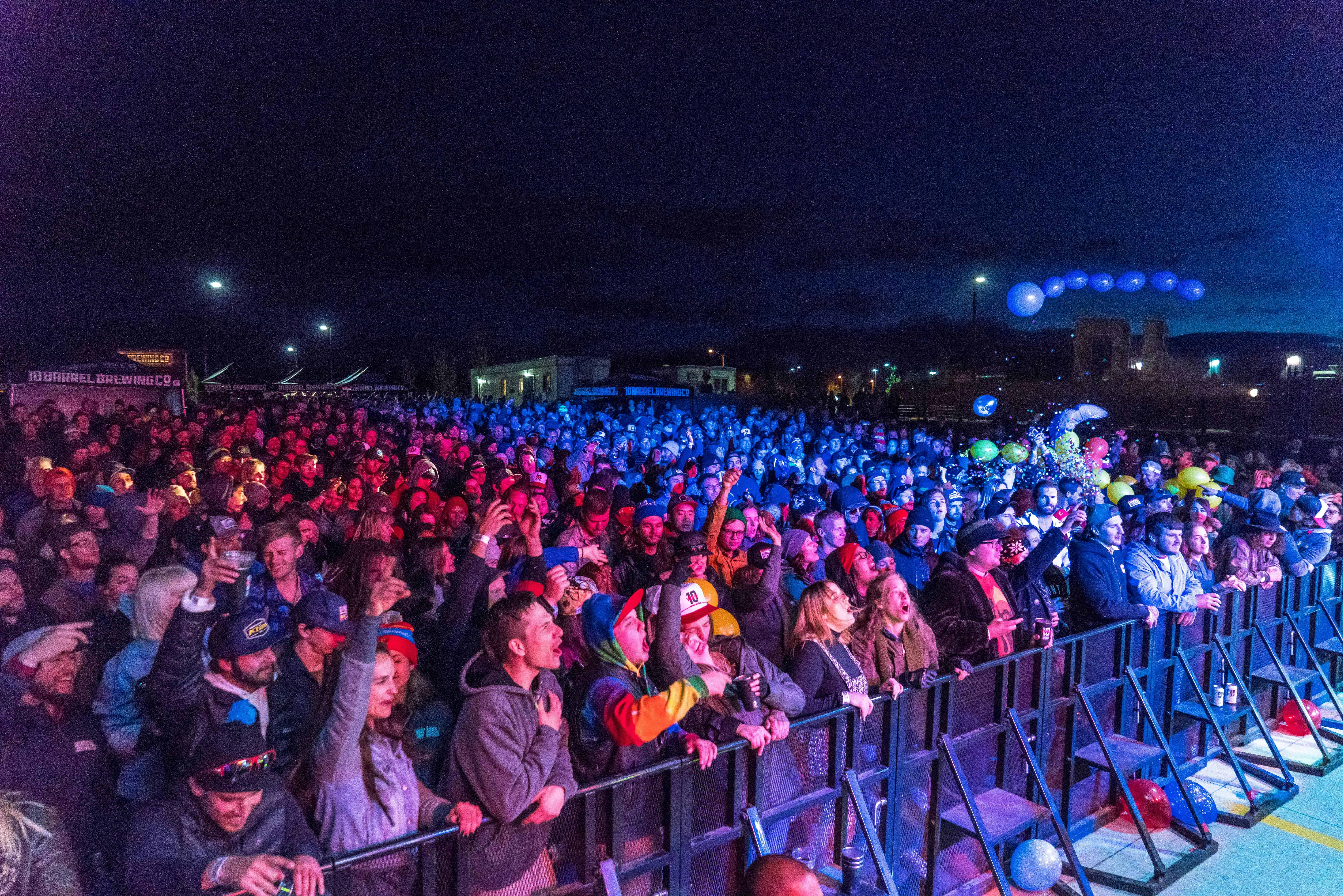
You’re Not Broken. You’re Paying the Cost of an Intense Experience.
A concert isn’t just something you attend and walk away from. It asks more of you than a normal night out, and most people don’t account for that part.
Physically, you stood longer than usual, stayed alert in a crowd, absorbed sustained loud sound, and pushed past small signals of fatigue because the moment mattered. Even if you weren’t jumping or shouting the whole time, your body was working the entire night. Holding space, adjusting to movement, staying aware. That effort doesn’t end just because the music does.
Emotionally, you invested. You anticipated the night, attached meaning to it, maybe tied it to a memory or a feeling you needed. You let yourself feel more openly than you do in day-to-day life. That openness takes energy, even when it’s joyful.
And for a lot of people, there’s also a financial layer. Tickets, transportation, food, merch, time off. You spent money you don’t usually spend casually, and you did it because the experience felt important enough to justify it.
When the concert ends, all of that stops at once. Your body, your attention, and your emotions don’t reset on the same timeline. The weird, flat, drained feeling that follows isn’t a sign that something went wrong. It’s the cost showing up after the fact.
That lag has a name now. People call it post-concert blues. But it’s not sadness in the dramatic sense, and it’s not regret either. It’s recovery arriving late, whether you planned for it or not.
Why Concerts Create a Comedown
There’s nothing abstract or mysterious about why this happens. It’s a stack of very ordinary demands that all peak at the same time, then drop off suddenly.
Physically, concerts are harder on the body than they look from the outside. Standing for hours, adjusting your posture in a crowd, dealing with heat, dehydration, and sustained loud sound all add up. Even if you felt fine during the show, your body was compensating the whole time.
On top of that, adrenaline stays elevated longer than people realize. Excitement keeps your system running hot. You don’t feel the cost while it’s happening because adrenaline is doing its job. You feel it when it leaves.
There’s also the sensory load. Music at volume, lights, movement, faces, constant micro-decisions about space and positioning. Your brain is processing far more input than it does on a normal day. Then the concert ends, and all that stimulation shuts off almost instantly.
Add in routine disruption. Late nights, travel, irregular meals, shallow sleep. Even if you “slept,” the quality is often poor after that level of stimulation.
Finally, there’s the emotional and financial investment. Anticipation doesn’t disappear when the last song ends. Neither does the awareness of what you spent or rearranged to be there. Those things surface once the noise is gone.
When all of this drops at once, your system doesn’t smoothly glide back to baseline. It dips. That dip is the comedown. Not a failure. Not a mood problem. Just the physics of intensity ending faster than your body can follow.
What Post-Concert Blues Usually Feels Like
Most people expect to be tired after a concert. They don’t expect how specific the after-feeling can be.
One of the most common reactions is a low, flat mood the next day. Not dramatic sadness, just a sense that something is missing or muted. For some people it shows up as emotional heaviness. For others, it’s irritability, sensitivity to noise, or a short fuse that doesn’t feel proportional.
There’s often a mental component too. Brain fog. Slower thinking. A lack of motivation that feels confusing, especially if the concert itself was something you looked forward to for weeks.
Physically, the body starts speaking up once the adrenaline wears off. Headaches are common, especially if you were dehydrated or exposed to loud sound for hours. Legs and feet feel sore or stiff from standing. Jaw, neck, and shoulders carry tension you didn’t notice during the show. Ears may ring or feel pressured, which can make the world feel sharper and more irritating than usual.
Sleep is another surprise. A lot of people feel exhausted but can’t fall asleep easily, or wake up feeling unrested. The body is tired, but the nervous system is still winding down.
What throws people off is the combination. Emotional flatness, physical fatigue, and mental fog arriving together can feel like something went wrong. In reality, it’s the most common pattern of all. Overload followed by a sudden stop tends to land this way.
Why You Can Feel Low After a Concert You Actually Loved
This is the part people don’t expect, and it’s usually the part that makes them doubt the whole experience.
During the concert, your attention had a single job. You weren’t deciding what to do next, monitoring messages, or juggling priorities. The music set the pace. The crowd gave structure. For a few hours, you were held inside something bigger than your normal day.
Then it ends.
That container disappears all at once, and your regular life rushes back in before your body and attention have caught up. Bills, work, routines, noise that isn’t music. The contrast can feel sharp, even jarring. What you’re registering isn’t disappointment with the concert. It’s the loss of intensity and structure.
There’s also a timing issue. The emotional high often lags behind the physical crash. Your body drops first. Emotion follows later. When people feel low the next day, they assume it means the night didn’t land. More often, it means it landed so fully that your system needs time to integrate it.
This is why judging a concert the morning after is almost always inaccurate. You’re not evaluating the experience itself. You’re feeling the after-effects of having given something your full attention, energy, and care.
How to Recover After a Concert in the First 24–48 Hours
This part works best when you stop thinking in terms of productivity and start thinking in terms of stabilization. You’re not trying to bounce back fast. You’re letting your system come back online in the right order.
The night of the concert matters more than people think. Drinking water intentionally helps your body start repairing before you sleep. Eating something simple and grounding gives your system a signal that the event is over and it’s safe to downshift. Lowering stimulation, dimmer lights, quieter audio, fewer screens, helps your nervous system begin unwinding. Rewatching clips or scrolling through highlights tends to keep it activated longer than you realize.
The morning after, light movement goes a long way. Walking, stretching, a bit of sunlight. Nothing intense. Just enough to get circulation moving again. One small closing task helps too. A shower, laundry, unpacking your bag. Something that marks the night as complete rather than unfinished. Eating real food before relying on caffeine keeps the crash from getting steeper. Giving your ears quiet time reduces irritation and mental fatigue.
By the second day, the goal is a gentle return to routine. This is not the day to cram everything you skipped into a single stretch. Energy usually comes back in layers. Let it. This is also when your emotional read becomes clearer. If you’re going to think about what the concert meant to you, this is the first point where that question starts to make sense.
What Makes Post-Concert Exhaustion Worse
A lot of people don’t realize they’re extending the comedown until they’re already in it.
One of the biggest drivers is replaying the night on a loop. Watching clips, scrolling through other people’s footage, trying to squeeze a little more out of the peak. It feels harmless, but it keeps your nervous system stimulated when it’s trying to settle.
Comparison does the same thing. Seeing other people frame the night as flawless or life-changing can make your own experience feel smaller or incomplete, even if it wasn’t. You start questioning feelings that haven’t had time to settle yet.
Treating the next day like a normal workday is another common mistake. Pushing through meetings, errands, and noise stacks stress on top of fatigue. Skipping meals, hydration, or rest to “get back on track” makes the crash feel sharper.
And then there’s evaluation. Asking whether it was worth it, whether you should have gone, whether you spent too much, all while your body is still depleted. Those questions feel logical, but they’re coming from exhaustion, not clarity.
None of this is about discipline or mindset. It’s timing. Recovery comes first. Interpretation comes later.
When the Physical, Emotional, and Financial Drop Hit at the Same Time
This is usually where people start getting confused about what they’re actually feeling.
Physical fatigue lowers your tolerance for everything. Sounds feel sharper. Small inconveniences feel heavier. Emotions that would normally pass get stuck longer than usual. When your body is tired, it doesn’t take much for the day to feel off.
Emotional drop layers on top of that. The intensity is gone, the structure is gone, and you’re left with normal life again. That contrast can make things feel dull or disappointing even if nothing is objectively wrong.
Then the financial side gets louder. Once the adrenaline fades, the cost becomes easier to notice. Ticket price, travel, food, time taken off. When you’re depleted, it’s easier to second-guess those choices and wonder if you should have spent the money or energy at all.
What’s important to understand is that these three drops feed each other. Tired bodies amplify emotional reactions. Emotional heaviness sharpens financial regret. Financial regret makes the whole experience feel heavier than it actually was.
That doesn’t mean the concert wasn’t worth it. It means you’re evaluating value while you’re still paying the cost. Giving yourself recovery time before making that judgment changes the conclusion more often than people expect.
When to Let It Pass and When to Pay Attention
For most people, post-concert blues resolve on their own once the basics are in place. Rest, food, hydration, quieter days, and a couple of normal nights of sleep usually do the job. The feeling lifts gradually, not all at once, which is why it’s easy to think it’s sticking around longer than it actually is.
Let it pass if what you’re experiencing feels general. Tiredness, low mood, irritability, fogginess, or that strange emotional flatness that slowly eases over a day or two. Those are signs your system is recalibrating, not breaking.
Pay closer attention if things move in the opposite direction. If symptoms intensify instead of softening, if ear ringing becomes painful or persistent, or if physical discomfort feels sharp and specific rather than like overall fatigue, that’s information worth listening to. The same goes for sleep issues that don’t improve at all after a couple of nights.
This isn’t about worrying or self-monitoring every sensation. It’s about respecting that recovery has a range, and knowing when you’re still inside it versus when something else might be going on.
Most of the time, the answer is simpler than people expect. Your body needed time, and now it’s getting it.
FAQ: Post-Concert Blues and After-Concert Exhaustion
Why do I feel sad or empty after a concert?
Because your body and attention are coming down from sustained excitement and stimulation. When that intensity ends suddenly, the contrast can register as sadness or emptiness even if you genuinely enjoyed the concert.
Is post-concert blues a real thing?
Yes. People use different names for it, but the pattern is common. Adrenaline, sensory overload, disrupted routines, and emotional investment all end at once, and the system needs time to rebalance.
Why am I so tired after a concert?
Concerts demand more than they look like. Standing for hours, loud sound exposure, constant alertness, dehydration, late nights, and poor sleep quality stack into full-body fatigue, not just sleepiness.
Why can’t I sleep after a concert even when I’m exhausted?
High stimulation can keep your nervous system activated after the show ends. Lowering light, sound, and screen use helps more than forcing sleep or scrolling until you crash.
Why do I feel hungover or have a headache after a concert?
Dehydration, heat, tension, loud sound, and late-night fatigue can mimic a hangover even if you didn’t drink alcohol.
Why are my ears ringing after a concert?
Loud sound exposure can cause temporary ringing or pressure. Giving your ears quiet time usually helps. If it persists or worsens, it’s worth paying attention to.
How long does post-concert blues usually last?
For most people, 24 to 48 hours. Two normal nights of sleep, regular meals, hydration, and reduced stimulation make a noticeable difference.
What should I do the day after a concert?
Hydrate, eat real food, move lightly, reduce stimulation, and avoid making emotional or financial judgments about the experience until your body has recovered.
How This Fits Into the Full Concert Experience
Most guides talk about getting ready for a concert or surviving the crowd. Very few talk about what happens after, which is why the comedown catches people off guard.
This phase matters because it’s where people tend to misread their own reactions. They feel tired or flat and assume the night didn’t land. They notice the cost and assume they made a mistake. They feel emotionally off and assume something is wrong with them.
None of that is true. It’s just the final part of the experience showing up later than expected.
If you give yourself time to recover before you evaluate the night, your read on it usually changes. What felt confusing or disappointing often softens into something quieter and more accurate. Relief, gratitude, or simply the sense that you did something meaningful and intense, even if it took something out of you.
The concert doesn’t end when the last song plays. It ends when your body and attention come back to baseline. Letting that process finish is part of getting the full value of the experience.
If you found this piece insightful, consider supporting my work – every contribution helps fuel more in-depth stories, reflections, and meaningful content. Support here!