
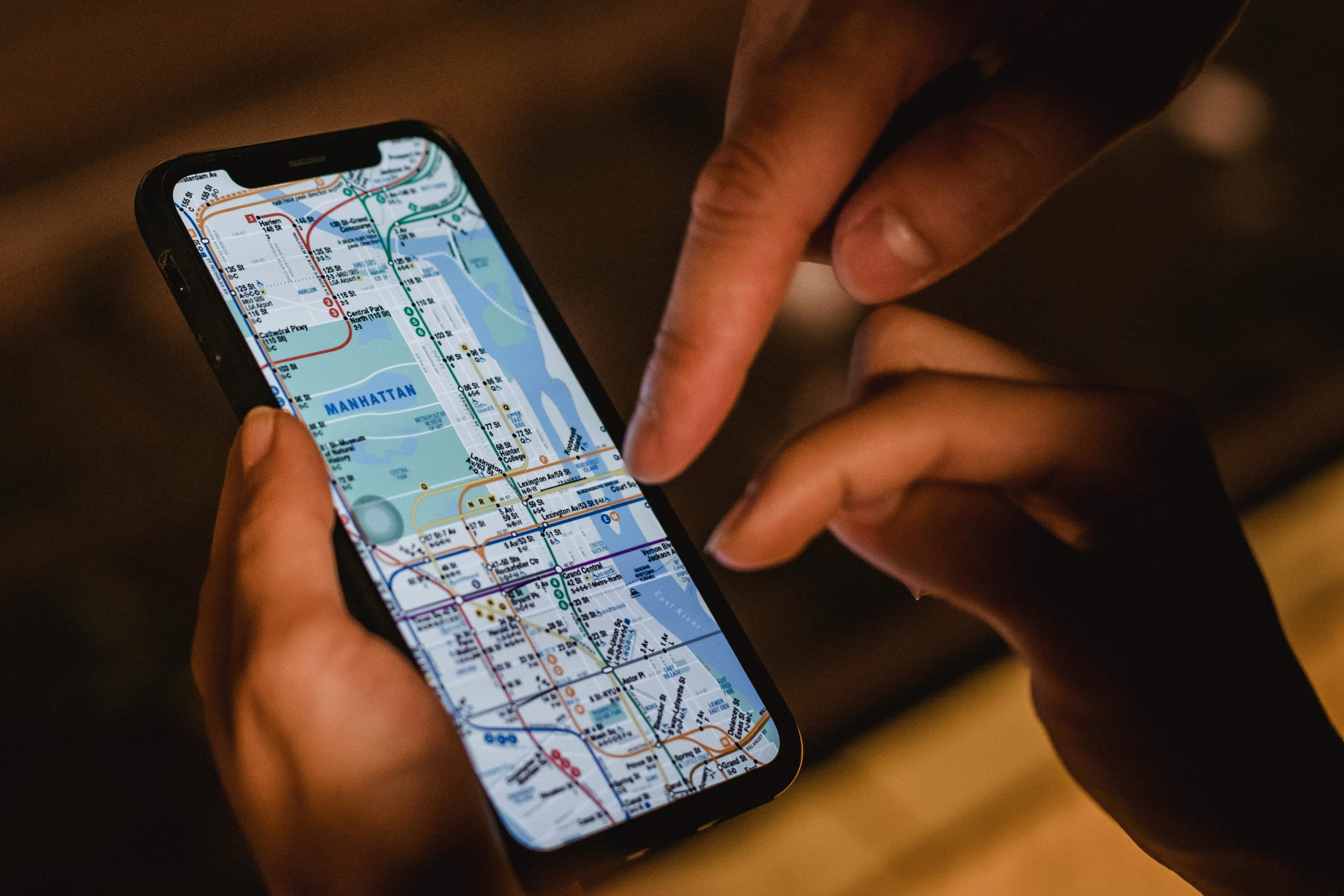
Why Travel Tools Cause More Stress Than Travel Itself
Last-minute travel stress rarely comes from forgetting a passport or packing the wrong shoes. It comes from juggling too many systems at once. Multiple apps, scattered confirmations, half-set tools, and backups that only work if everything else works first. The pressure builds not because travel is chaotic, but because the tools meant to control that chaos demand attention at the worst possible time.
Modern travel tools promise simplicity. One app for flights, another for lodging, another for packing, another for navigation, another for money. Each one seems reasonable on its own. Together, they create a fragile setup that depends on memory, battery life, connectivity, and constant checking. Stress shows up when something changes and you are suddenly unsure where the information lives or which tool is supposed to handle the problem.
The difference between calm travel and frantic travel is not how prepared you are. It is how many decisions you still have to make once the trip has started. Tools that reduce stress remove decisions. Tools that increase stress add monitoring, maintenance, and mental overhead. The problem is not a lack of tools. It is too many tools competing for the same moments of attention.
The most reliable travel setups are boring. They rely on fewer systems, predictable access, and backups that do not need troubleshooting. They work when you are tired, rushed, or offline. They do not ask to be checked constantly. They do not fragment information across five places. They stay quiet so you can move.
Travel becomes lighter when the tools fade into the background. The goal is not to optimize every detail, but to build a setup that holds steady when conditions are imperfect. That is where real stress reduction begins.
- Why Travel Tools Cause More Stress Than Travel Itself
- What People Mean When They Search for the Best Travel Apps
- The Only Travel Tools That Consistently Reduce Stress
- Travel Tools That Increase Stress Because They Need Constant Management
- What to Set Up Before You Travel to Avoid Last-Minute Stress
- What Travel Apps and Tools Should Be Used During the Trip
- Why Analog Backups Still Reduce Travel Stress Better Than Digital Systems
- A Practical Travel Tools Checklist That Actually Reduces Stress
- How to Choose Fewer Travel Tools Without Feeling Unprepared
- The Best Travel Tools Fade Into the Background
What People Mean When They Search for the Best Travel Apps
When people search for the best travel apps, they are rarely looking for novelty or advanced features. They are looking for relief. Relief from juggling emails, screenshots, notes, and bookings. Relief from the feeling that something important is buried somewhere and will surface only when it is too late.
Most travelers want a small number of tools that answer practical questions quickly. Where am I staying. How do I get there. What do I need to show. What do I do if something changes. These are not planning questions. They are movement questions. They show up when time is tight and attention is limited.
This is where many popular travel app recommendations fall short. They assume ideal conditions. Stable internet. Full battery. Enough mental space to compare options, toggle settings, and explore features. Real travel rarely offers those conditions. Airports, border crossings, transit hubs, and unfamiliar cities compress attention. Anything that requires searching, switching apps, or remembering where something was saved adds friction at exactly the wrong moment.
The unspoken expectation behind most searches is simple. People want fewer places to check. They want information to behave predictably. They want tools that work even when everything else feels unstable. The best travel apps are not the most powerful ones. They are the ones that remove uncertainty by keeping essential information accessible, consolidated, and easy to retrieve under pressure.
Travel stress increases when tools assume you are calm and decreases when tools are designed for moments when you are not.
The Only Travel Tools That Consistently Reduce Stress
Not all travel tools are equal when it comes to stress. Some genuinely simplify travel. Others only feel helpful during planning and fall apart once movement starts. The tools that consistently reduce stress tend to do one of two things, and anything outside of that usually adds friction.
Tools that centralize important information
Stress drops when critical information lives in one predictable place. Flights, accommodations, reservation numbers, addresses, check-in details, and notes should not be scattered across emails, screenshots, and multiple apps. Every additional storage location becomes a search task later.
Centralized tools reduce the need to remember where something was saved. They minimize app switching and eliminate the low-grade anxiety of thinking you might be missing something. When plans change or something goes wrong, you know exactly where to look. That certainty matters more than feature depth.
The fewer places you store essential information, the fewer decisions you have to make under pressure. This is why consolidation almost always beats specialization when it comes to travel stress.
Tools that reduce single points of failure
Some tools earn their place not because they make travel smoother, but because they prevent travel from stalling. Battery loss, poor signal, lost luggage, missing documents, and access issues are common stress triggers. Tools that reduce these risks stabilize the entire trip.
These tools do not demand attention. They sit quietly until something breaks. When they work, you barely notice them. When they are missing, stress spikes immediately.
What matters is not how often you use these tools, but what happens when you need them. A tool that protects movement during failure moments does more to reduce stress than one that optimizes ideal conditions.
Together, centralized information and failure-resistant support form the foundation of a calm travel setup. Everything else should earn its place against that standard.
Travel Tools That Increase Stress Because They Need Constant Management
Some travel tools feel helpful during planning but become a liability once the trip begins. The common thread is maintenance. These tools require attention to function, and that attention has to come from you at moments when your focus is already stretched thin.
Tools that demand frequent checking create a constant low-level anxiety. You are never quite sure if something needs updating, confirming, or refreshing. Instead of reducing uncertainty, they introduce a new responsibility: staying on top of the tool itself. Travel days are already full of transitions. Adding another thing to monitor quietly raises stress.
Fragmentation is another major issue. When the same information exists in multiple places, you are forced to reconcile it. Which version is correct. Which app has the latest update. Did you save the address here or there. Each overlap adds doubt, and doubt slows you down when speed matters.
Alerts and notifications can also work against you. What starts as reassurance turns into interruption. The more a tool nudges you, the more mental space it occupies. Instead of freeing attention, it competes for it. Over time, this makes travel feel heavier rather than simpler.
A reliable way to tell if a tool is increasing stress is to notice how it behaves when ignored. If skipping a day of checking makes you feel behind or anxious, the tool is not reducing stress. It is shifting the workload onto you. The most effective travel tools do their job quietly and do not require supervision to be useful.
What to Set Up Before You Travel to Avoid Last-Minute Stress
Anything that requires concentration belongs before departure. Travel days compress time, attention, and patience. Even small setup tasks become stressful when they are done late, rushed, or in unfamiliar environments. The biggest source of last-minute stress is not missing tools, but unfinished preparation leaking into travel day.
Tools that reduce stress are fully ready before you leave. Accounts are logged in. Information is complete. Offline access is enabled where needed. Nothing relies on you remembering to finish something later. When preparation is incomplete, every transition becomes a reminder that something is unresolved.
This is especially true for tools that involve access. Logins, permissions, verification steps, and syncing issues are easy to handle at home and surprisingly difficult when you are already moving. Leaving these steps for later turns a helpful tool into a potential blocker.
Pre-departure setup is not about perfect organization. It is about removing decisions. When you already know where information lives and how to access it, travel days stay quieter. When tools are still half-configured, they demand attention at the worst possible moment.
If a tool only works when carefully set up, it should either be prepared early or not used at all. A calm trip depends less on having the right tools and more on having tools that are finished before the journey begins.
What Travel Apps and Tools Should Be Used During the Trip
Once travel begins, tools should shift from planning to support. The environment changes. You are more likely to be tired, distracted, or operating under time pressure. Tools that work well in calm conditions often fail when attention is limited.
During the trip, the most useful tools are the ones that open quickly and communicate clearly. They do not require setup, comparison, or interpretation. You use them, get what you need, and move on. Anything that asks you to think too much in the moment becomes a source of friction.
This is especially important when traveling abroad. Connectivity can be inconsistent, interfaces may not load properly, and small delays compound quickly. Tools that depend on constant internet access or real-time syncing can become unreliable just when you need them most.
Keeping in-trip tools minimal reduces interruptions. Each additional app increases the chance of distraction and confusion. When fewer tools are in play, it is easier to stay oriented and responsive to what is happening around you.
The goal during travel is not optimization. It is continuity. Tools should support movement without pulling you out of it. When a tool helps you continue smoothly without demanding attention, it earns its place.
Why Analog Backups Still Reduce Travel Stress Better Than Digital Systems
Digital tools fail in predictable ways. Batteries die. Signals drop. Apps log out. Systems update at the wrong time. None of these failures are dramatic on their own, but they become stressful when they block movement. Analog backups matter because they remove those dependencies entirely.
The value of analog shows up in the most compressed moments of travel. When you are trying to move through a checkpoint, check in quickly, or give an address to someone waiting, speed matters more than elegance. Physical information can be accessed instantly without unlocking a device, switching apps, or waiting for a connection. That immediacy lowers stress in ways digital tools often cannot.
Analog backups also reduce decision pressure. There is no question of which app to open or whether something was saved correctly. The information is there or it is not. That clarity is calming when attention is already stretched thin.
This does not mean replacing digital systems. It means stabilizing them. Digital tools are powerful, but fragile. Analog backups act as failure insurance. They allow you to keep moving even when technology does not cooperate.
Travel feels less stressful when no single system has the power to stop you. Analog backups quietly remove that risk, which is why they continue to outperform digital tools in moments that matter most.
A Practical Travel Tools Checklist That Actually Reduces Stress
A travel tools checklist only works if it reduces thinking, not if it becomes another system to maintain. The most effective checklists are short, purpose-driven, and reusable. They focus on preventing common stress points instead of covering every possible scenario.
The first priority is having one reliable place for bookings and addresses. Flights, accommodations, transport details, and essential notes should live together. When information is centralized, you are not forced to search across emails, screenshots, and apps when something changes.
The second priority is navigation you trust. Whether online or offline, you should know exactly which tool you will open when you need directions. Switching between multiple navigation tools increases hesitation and doubt, especially in unfamiliar places.
Money management comes next. One dependable money tool for traveling abroad is enough for most situations. The goal is quick access and clarity, not comparison shopping while you are on the move. Uncertainty around payments is one of the fastest ways stress creeps in.
Power is a silent dependency. One power solution that matches your actual usage matters more than owning multiple gadgets. When you are confident your phone will last the day, a large portion of travel anxiety disappears.
If you check bags, one simple luggage identifier or tracker can reduce uncertainty without requiring constant monitoring. Used passively, it provides reassurance rather than distraction.
Finally, one organizer system that keeps daily-use items predictable can save surprising amounts of mental energy. Reaching for the same things in the same places reduces friction across the entire trip.
A checklist that reduces stress does not grow over time. It stays stable. When each item earns its place by preventing a known problem, the entire setup becomes easier to trust.
How to Choose Fewer Travel Tools Without Feeling Unprepared
Reducing travel tools can feel risky at first. Fewer apps and fewer systems can look like less control, especially if you are used to preparing for every scenario. In practice, the opposite is usually true. Stress drops when the setup is simpler because fewer things can go wrong at once.
A useful way to evaluate any travel tool is to imagine using it on your worst travel day, not your best one. When you are tired, rushing, or slightly disoriented, does the tool still make things easier. If it requires careful attention, comparison, or troubleshooting, it is likely adding pressure rather than removing it.
Another signal is how a tool behaves when conditions are imperfect. Reliable tools continue to work offline, with low battery, or with minimal interaction. Fragile tools assume ideal conditions and ask you to compensate when reality does not cooperate. Those compensations come directly from your mental energy.
It also helps to notice whether a tool reduces decisions or introduces new ones. Tools that genuinely reduce stress tend to answer questions immediately. Where am I going. What do I show. What do I do next. Tools that increase stress tend to ask questions back. Do you want to update this. Do you want to compare options. Do you want to recheck something.
Finally, consider failure. If a tool stops working, do you have a simple backup, or does everything stall. Systems that allow movement even when one part fails create confidence. That confidence is what replaces the feeling of being overprepared.
Choosing fewer travel tools is not about minimalism for its own sake. It is about building a setup that holds steady without constant attention. When the tools are chosen well, they disappear, and what remains is the trip itself.
The Best Travel Tools Fade Into the Background
The most effective travel tools are the ones you stop thinking about once the trip starts. They do their job quietly, without reminders, without maintenance, without pulling your attention away from where you are or where you are going. When tools work this way, travel feels lighter not because everything is perfect, but because nothing is demanding to be managed.
Stress builds when travel depends on fragile systems. Too many apps, too many overlapping tools, too many things that only work if you remember to check them. Calm travel comes from the opposite approach. Fewer tools. Clear roles. Reliable access. Simple backups.
Good travel preparation is not about maximizing control. It is about minimizing friction. When information is centralized, failures are accounted for, and decisions are removed ahead of time, movement becomes easier. You spend less energy managing logistics and more energy actually being present.
The goal is not to travel with nothing. It is to travel with tools that hold their shape under pressure. When the setup is stable, your attention is freed. When your attention is freed, travel stops feeling like a task to manage and starts feeling like something you can move through with confidence.
If you found this piece insightful, consider supporting my work – every contribution helps fuel more in-depth stories, reflections, and meaningful content. Support here!