
When the Silence Stops Feeling Free
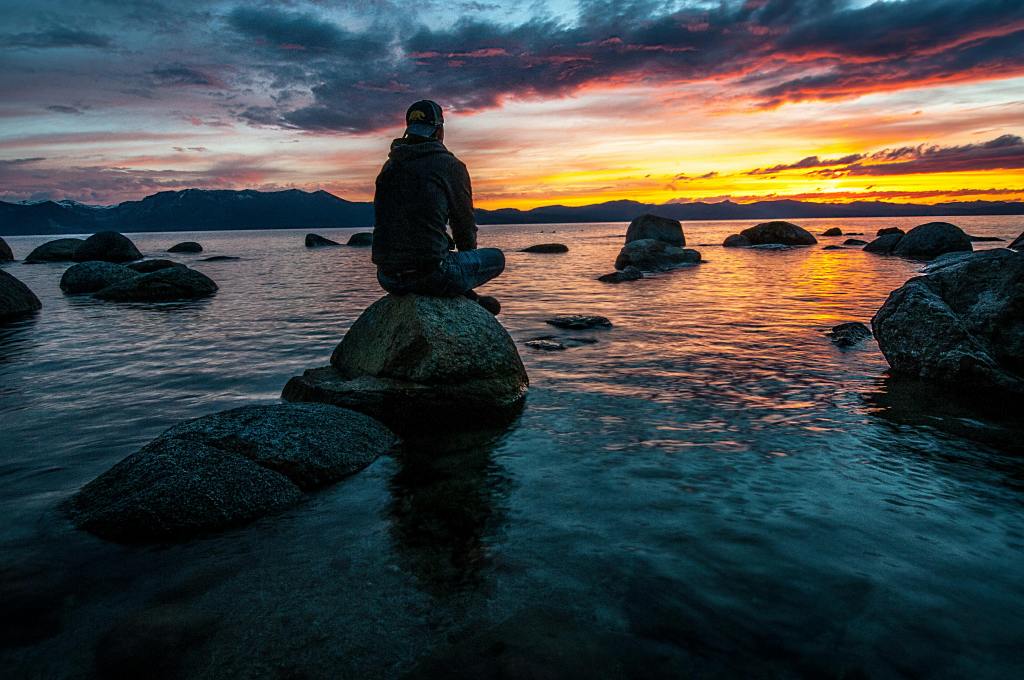
Everyone promises that solo travel will set you free. They talk about quiet mornings, long walks, and endless sunsets that make everything clear. At first, it feels that way. You move through airports and side streets with no one to answer to. You order breakfast alone and it feels like power. Freedom hums quietly beneath every choice you make.
Then the stillness starts to stretch. The silence that once felt peaceful begins to sound like distance. You notice how long meals feel when no one sits across from you. Nights become louder, rooms feel wider, and the smallest moments like a cup of coffee or the color of light through a curtain start to ache because there is no one to share them with.
No one talks about that. The way independence can feel heavy when you realize there is no buffer between you and the world. You are the only witness to your life. Every emotion, every mistake, every beautiful detail rests on your shoulders alone.
This is not failure. It is what real solitude feels like once the novelty fades. Travel has a way of stripping away noise until you can hear what your body and mind have been trying to say. It amplifies everything: beauty, confusion, fear, tenderness. It makes you confront what freedom actually costs.
You are not weak for missing the comfort of company or the structure of home. You are human, learning to hold your own presence. The silence is not punishment. It is proof that you are finally hearing yourself clearly.
- When the Silence Stops Feeling Free
- Why Loneliness Feels Louder on the Road
- The Moment You Think, “Maybe I Should Go Home”
- How to Calm Down When You’re Overwhelmed Traveling Alone
- Small Routines That Make You Feel at Home Anywhere
- How to Manage Travel Burnout Before It Breaks You
- How to Make Friends When You’re Traveling Alone (Without Pretending to Be Someone Else)
- How to Cope With Homesickness When You Can’t Go Home Yet
- What Loneliness Is Really Trying to Tell You
- You’re Not Failing at Solo Travel (You’re Just Seeing It Clearly)
- FAQs
Why Loneliness Feels Louder on the Road
Loneliness feels different when you travel. At home, you can drown it out with errands, background noise, or the comfort of routine. On the road, there is nowhere for it to hide. Every feeling travels with you.
Solo travel demands a kind of constant alertness that few people talk about. You are the planner, navigator, and protector of yourself. You decide where to eat, how to get home, and whether a street feels safe after dark. That steady vigilance keeps you alive, but it also keeps your body in quiet tension. Even when you are not in danger, your nervous system does not know how to rest.
Add the weight of small uncertainties such as money running low, missed buses, language barriers, and nights in unfamiliar rooms, and the mind begins to tire. What looks like sadness is often exhaustion. Loneliness is not always about missing people. Sometimes it is about the strain of holding everything together on your own.
For women, queer travelers, or anyone moving with limited resources, that fatigue deepens. Safety planning becomes second nature, and freedom starts to feel conditional. You do not get to relax into the world; you have to measure it, test it, and decide if it will hold you.
This is why solitude can feel louder than silence. You are not simply alone. You are managing an entire world without a safety net. The ache you feel is not weakness. It is the cost of awareness. You are doing the work of both living and watching over yourself, and that kind of strength is never weightless.
The Moment You Think, “Maybe I Should Go Home”
Every honest traveler reaches this point. You wake up one morning and the thrill is gone. The air feels heavy, the food has lost its taste, and even beautiful places stop moving you. You start to think about your bed, your friends, your language. You wonder if you made a mistake.
This moment is not weakness. It is a signal. It is your body asking for rest after too many days of constant alertness. Travel gives you no neutral ground. You are always either absorbing or reacting, and that takes a quiet toll.
Sometimes this feeling passes after a full night of sleep or a day with no expectations. Other times it deepens. You may find yourself crying for no reason, snapping at strangers, or zoning out in ways that do not feel safe. You may start to count your money too often or rehearse how to tell people you came home early.
Ask yourself a few honest questions. Have I eaten and slept properly in the last two days? Do I still feel curious about where I am, even in small ways? Can I keep myself safe if things get worse? If the answer to any of these is no, you are not failing by stopping. You are listening.
There is courage in choosing to pause, reroute, or go home. The culture of constant motion makes us think progress only happens when we push forward. The truth is that progress sometimes looks like resting, calling for help, or deciding that enough is enough.
The trip does not lose its value when you stop early. It becomes a record of your honesty. You came looking for freedom, and part of that freedom is knowing when to come back to yourself.
How to Calm Down When You’re Overwhelmed Traveling Alone
When panic starts to build, most people try to think their way out of it. But when you are traveling, your body often feels the fear before your mind understands what is happening. The rush of noise, light, and unfamiliar streets can trick your nervous system into believing you are unsafe, even when nothing is wrong.
The first step is not to think positive thoughts. It is to help your body remember that it is safe. Sit down if you can. Place both feet on the ground and feel the weight of your body. Breathe in slowly through your nose and exhale longer than you inhale. Do this until your chest stops tightening.
If you are near a sink, run cold water over your wrists. Open a window or step outside for fresh air. Focus on what you can see or touch: a wall, a piece of fabric, a steady surface. These small sensations bring you back into your body.
When the panic still feels trapped inside, write. Take out your phone or a notebook and finish the sentence, “Right now, I’m afraid that.” Keep going until you run out of fear to name. Seeing the thoughts in front of you helps them lose power.
Do not rush to fix how you feel. The goal is not to erase the emotion but to make space for it to settle. Once your breathing slows and your body feels steady, then you can decide what you need such as food, water, sleep, or company. Calm rarely comes from control. It begins with permission.
Small Routines That Make You Feel at Home Anywhere
When you travel alone, everything changes every day. The faces, the smells, the sounds, even the way light hits the walls. Constant newness looks exciting from the outside, but it can quietly wear you down. The mind needs small pieces of familiarity to rest on.
Routines do not have to be complicated. They can be as simple as drinking the same coffee each morning, walking the same street every evening, or writing one sentence before bed. These little repetitions tell your body that you are still safe, still you.
A routine is not about control. It is a quiet act of grounding. It keeps the day from blurring together and gives you something to look forward to when the noise of travel becomes too much.
If you are staying in hostels or budget rooms, look for small ways to create comfort with what you have. Fold your clothes neatly each morning. Play the same playlist when you shower. Carry a small scent or photo that feels like home. These rituals do not fix loneliness, but they soften it.
The truth is that you will always be surrounded by things that shift. The routine is what stays still. It becomes a kind of inner architecture that travels with you. You do not have to rebuild your sense of self every time you move cities. You only need a few anchors to remind you who you are.
How to Manage Travel Burnout Before It Breaks You
Travel burnout rarely announces itself all at once. It arrives quietly, in small ways. You stop taking photos. You rush through meals. You feel irritated at simple things like noise or heat. Everything that once felt vibrant begins to fade around the edges.
This is not a sign that you are ungrateful or lazy. It is your body trying to protect itself. Constant motion exhausts the nervous system. Your senses have been running on high alert since the day you left home, scanning every sound, street, and stranger. At some point, the system demands to rest.
Start by checking your body before your itinerary. Tight chest means you need rest. Snapping at strangers means you probably need food and water. Feeling foggy or detached means you need sunlight, movement, or real sleep. The body speaks first, and ignoring it only deepens the fatigue.
Try the one-hour rule. Put your phone away and do nothing for a full hour. No planning, no scrolling, no problem solving. Sit somewhere still. Most decisions feel less dramatic once your nervous system has room to breathe.
Remember that losing a day does not mean losing progress. You are not wasting time by resting. You are repairing the part of you that makes the experience meaningful in the first place. The goal is not to see more, but to see clearly again.
How to Make Friends When You’re Traveling Alone (Without Pretending to Be Someone Else)
Making friends while traveling solo often looks easier than it feels. You see groups laughing in hostels, people clinking glasses in beach bars, or strangers connecting instantly on tours. When you are tired or anxious, it can seem like everyone else knows how to belong except you.
The truth is that connection on the road works best when it is slow and real. You do not need to force small talk or match the energy of louder travelers. You only need to show up as you are. Some of the best friendships start with quiet gestures: a shared table, a kind question, or help offered at the right time.
If you want to open a conversation, keep it simple. Ask someone how long they have been in town, where they ate last night, or if they have a favorite local spot. Curiosity is better than charm. When the exchange feels natural, it will grow on its own.
You will also meet people who do not fit. That is part of it. Pay attention to how your body reacts around others. If you feel tense or drained, you do not owe anyone your time. Step away politely. Protecting your energy is part of self-respect.
Seek out environments that invite gentler connection. Try café workspaces, hostels with shared kitchens, small classes, or walking tours. Spaces that allow conversation to happen slowly will feel safer than places built around noise or alcohol.
Real connection does not need to be dramatic. Sometimes it is a few nights of easy company before you part ways. Sometimes it is a shared silence that reminds you that you are not invisible. The goal is not to collect people. It is to find moments of belonging that let you breathe.
How to Cope With Homesickness When You Can’t Go Home Yet
Homesickness can catch you off guard. It slips in after a good day, when the sky looks like home or a stranger says something in your language. Suddenly you are flooded with the memory of what is familiar, and everything around you feels distant.
It is not only about missing people. It is about missing the rhythm of your life. You miss knowing where things are, how mornings smell, and what comes next. Your body remembers those patterns even when your mind is chasing new ones.
When the longing becomes sharp, start small. Recreate one detail that reminds you of safety. Play your usual playlist, wear your favorite scent, or cook a meal that tastes close to home. These are not escapes; they are bridges. They connect who you are here to who you were there.
Be careful with how often you call or scroll. Too much contact can pull you out of the present and make the distance feel wider. Choose one person who understands silence and talk to them when you need to. You do not have to update everyone. You only need to be understood once in a while.
Find a space that feels familiar in spirit, even if it looks nothing like home. It might be a quiet park, a church, or a café that plays the same song every morning. Go there when you need grounding. Let yourself stay until your breath evens out.
Homesickness will not disappear overnight, but it will soften. You will start to feel a different kind of belonging – the kind that comes from learning to carry home inside you.
What Loneliness Is Really Trying to Tell You
Loneliness often arrives as an ache that feels like something is missing. It can make you believe you need to find someone or something to fill the space. But loneliness is not only absence. It is also information. It shows you what kind of connection you are craving and where you have gone quiet within yourself.
When you are alone in a new place, that signal becomes clearer. There is no routine to drown it out. You start to hear what you actually miss. Maybe it is the sound of a friend laughing at your timing. Maybe it is being touched without having to ask. Maybe it is the feeling of being seen by someone who has known you for years.
Write through it. Ask yourself simple questions. Who do I wish could see me right now, and why? What part of me feels unseen even when I am surrounded by beauty? Sometimes the answers will surprise you. Loneliness can reveal where you have been performing strength instead of living with softness.
Not every emptiness needs to be filled with people. Some spaces are meant for rest. The quiet you are sitting in is teaching you to become your own witness. When you learn how to sit with your feelings instead of rushing to escape them, you start to build a deeper form of safety.
Maybe the loneliness is not punishment. Maybe it is the pause before connection begins again. It is how the soul catches its breath after too much motion.
You’re Not Failing at Solo Travel (You’re Just Seeing It Clearly)
There will come a point when the beauty feels too far away to touch. You will look around and see what everyone else calls adventure, but all you will feel is exhaustion. This is the part that never makes it into highlight reels, the moment when self-discovery stops looking cinematic and starts feeling raw.
You are not failing because travel feels heavy. You are just seeing it clearly. Growth does not always feel expansive. Sometimes it feels like shrinking until only the truth remains.
Every traveler reaches the wall where escape ends and confrontation begins. It is the moment when you realize that freedom also means carrying yourself through the weight of your own emotions. That realization hurts, but it is also how strength becomes real.
Allow yourself to rest without shame. Sit in the truth that you can love travel and still want home. You can be grateful for every moment and still admit that it was hard. Honesty is not ingratitude. It is maturity.
The version of you that set out on this trip wanted freedom. The version of you that comes home will understand what it costs to hold it.
Solo travel does not teach confidence first. It teaches endurance. It reminds you that courage is not the absence of fear but the willingness to stay present through it.
You are not lost. You are simply meeting yourself in a deeper way.
FAQs
Is it normal to feel lonely or anxious while traveling alone?
Yes. Loneliness is the body’s natural response to constant change. It means you are adjusting, not failing. Even seasoned travelers feel this when their surroundings shift faster than their emotions can keep up.
Should I go home early from my solo trip if I feel miserable?
If rest, food, and a full night of sleep do not help, and you no longer feel safe or curious, it is okay to go home. Ending early is not defeat. It is choosing yourself over exhaustion.
What can I do if I have a panic attack while traveling alone?
Sit down and ground your body. Breathe through your nose and exhale longer than you inhale. Focus on one thing you can touch or see. Message someone safe if you need to. The goal is to steady your body before you make any decisions.
Why do I regret traveling alone after dreaming about it for months?
Because freedom often reveals what you were escaping. That realization can feel painful, but it is a kind of clarity. You are learning what you actually need from connection and rest.
How do I make friends if I am introverted or shy?
Start small. Ask someone how long they have been in town or where they last ate. Genuine curiosity opens more doors than trying to perform confidence. You do not need to charm people to be seen.
What if I have a panic attack on a plane or bus?
Close your eyes, press your feet firmly on the floor, and breathe slowly. Focus on lengthening each exhale. If you need to, tell the crew or driver that you feel unwell. You are not a burden. You are a person who needs a moment of care.
If you found this piece insightful, consider supporting my work – every contribution helps fuel more in-depth stories, reflections, and meaningful content. Support here!
