
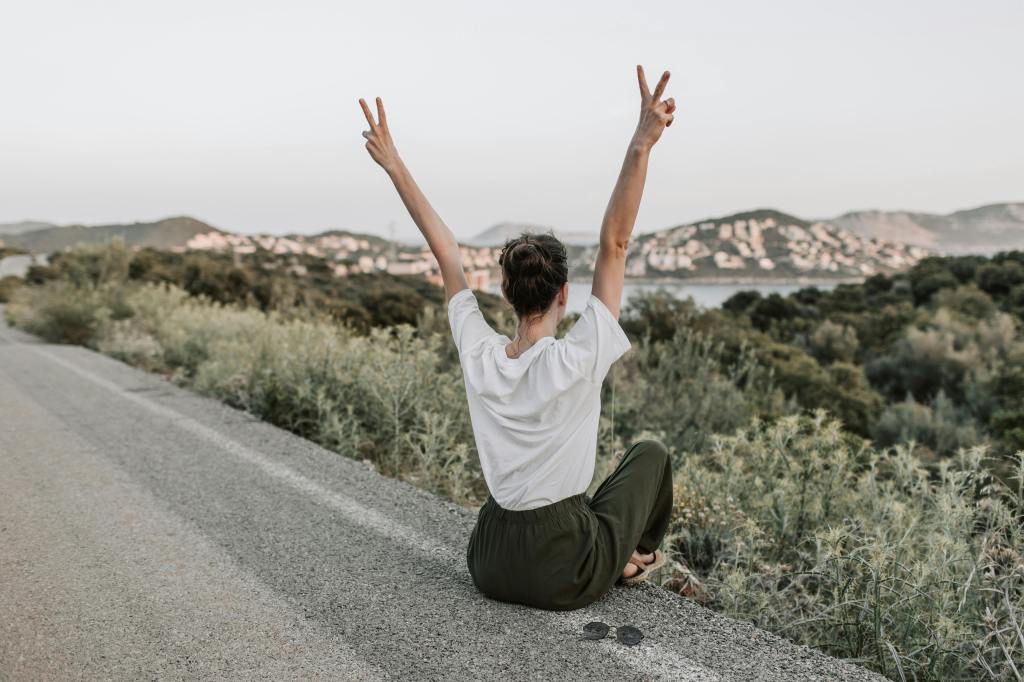
When You Want To Travel Alone But Are Afraid You Will Hate It
You’ve seen people do it online. The cinematic solo trips. The perfect beach breakfasts. The caption that says, “Learning to love my own company.” It looks freeing, but when you imagine yourself doing it, something tightens in your chest. What if it’s awkward? What if you feel unsafe? What if you regret the whole thing halfway through and can’t tell anyone without sounding ungrateful?
Those thoughts are not proof that you’re weak. They’re proof that you understand what travel really demands. It’s not just logistics and location. It’s being alone with yourself in unfamiliar settings where there’s no one to read your moods or make decisions for you. That can feel thrilling one moment and uncomfortable the next.
The truth is that solo travel isn’t only for the naturally adventurous. It’s for anyone willing to test their ability to stay calm and curious in new situations. Enjoyment comes less from bravery and more from preparation, from knowing what to expect, planning realistically, and learning how to be at ease with your own rhythm.
This isn’t about “finding yourself.” It’s about proving that you can create comfort wherever you go. Once you understand that, traveling alone stops being a performance of independence and becomes a quiet exercise in competence.
Get Honest About Why You Want To Travel Alone
Before you start checking flight prices or saving itineraries, pause and ask yourself why you want to go. This is the part most people skip. They say they want to “find themselves,” but what they usually want is space to think without noise. Others want to prove that they can handle life on their own. Some just want to feel something different after months of sameness.
There is no wrong reason to travel alone, but pretending you’re doing it for enlightenment when you’re really chasing relief only sets you up for disappointment. You don’t need a noble reason to step away. You just need an honest one. When you tell yourself the truth, you can shape a trip that meets your actual need instead of one built to impress anyone else.
If you’re traveling to rest, design a trip that’s soft. Stay longer in one place. Choose comfort over novelty. Let quiet mornings be part of the plan. If you want growth, pick a destination that stretches your independence without overwhelming it. If you’re traveling to prove something to yourself, let that proof be small and personal. You don’t have to climb a mountain to confirm your strength. Sometimes it’s enough to navigate a new city, order food in another language, or spend a night entirely on your terms.
The truth is that traveling alone doesn’t erase your inner world. It simply amplifies it. Everything you’ve avoided at home follows you through airports and hotel rooms. That isn’t a failure. It’s an invitation to see your patterns clearly. Maybe you realize how easily you rush yourself. Maybe you notice how much of your life is shaped by other people’s preferences. That awareness, uncomfortable as it may be, is the beginning of self-trust.
The moment you stop pretending and name your real reason for going, your trip stops being an escape. It becomes a choice. And that’s what makes it worth taking.
Train Your Brain Before You Go: Practice Being Out Alone
Solo travel sounds exciting until you’re actually standing somewhere by yourself with no familiar face in sight. What most people call “fear of traveling alone” is really fear of being visible without company. It’s the awkwardness of sitting at a café table meant for two, or walking through a museum with no one to share reactions with. It feels unnatural at first because most of us were never taught how to exist publicly without social validation.
The only way to get used to that feeling is to train for it before you leave. Think of it as building emotional stamina. Start small. Spend a few hours exploring your own city as if you were a tourist. Have lunch at a restaurant alone, not with your phone in your hand but with your senses open. Go to a movie, sit through the silence, and notice how people are too caught up in their own lives to even look at you. These small rehearsals teach your nervous system that solitude is not the same as danger.
You can also practice independence in everyday decisions. Plan a day trip nearby. Use public transport to somewhere unfamiliar. Handle a small discomfort on your own, like asking for directions or trying a new café in a part of town you’ve never visited. Each small act tells your brain, “I can handle uncertainty.” Over time, that sense of control becomes second nature.
This preparation matters because most of the anxiety around solo travel comes from novelty, not incapability. When you’re already comfortable being alone in public, the leap from your city to another country feels smaller. You’ve already built proof that you can exist without reassurance.
By the time you actually step into the airport, the fear doesn’t vanish. It just becomes familiar enough to manage. That’s the real beginning of confidence. It’s not about pretending to be fearless. It’s about being practiced enough to know that fear doesn’t have to decide what happens next.
Choose a Destination That Fits Your Capacity, Not Your Fantasy
When most people imagine their first solo trip, they picture something cinematic. A foreign country. A long flight. A place where no one knows them. It sounds poetic until reality catches up with language barriers, transportation confusion, or isolation that feels heavier than expected. The first solo trip should not be about proving how adventurous you are. It should be about finding conditions where learning feels easy.
Pick a destination that helps you succeed. The right place will stretch you without snapping your nerves. If you have never left your country, start local. A nearby island, a city a few hours away, or even a different neighborhood can teach you the same lessons about independence without overwhelming you. The measure of growth is not distance. It is how you handle difference.
When choosing, consider a few concrete factors. Look at walkability, safety, and accessibility. Check whether public transportation is clear and whether English or your language is commonly understood. Read about cultural norms and how solo travelers are usually treated there. Choose a place where the basics like food, movement, and connection are easy enough that you can focus on the experience instead of constant survival.
Budget is part of capacity too. If a destination stretches your savings to the point that you will be anxious the whole time, it is not the right one yet. The goal of your first solo trip is to build confidence, not to chase prestige. When you travel somewhere that fits your resources, you create room to breathe. You can eat well, rest properly, and actually notice where you are instead of counting how much money you have left.
You can always go further later. But the first time should feel manageable, not like a test of endurance. Choose a destination that matches your current comfort level, not the version of yourself you wish you already were. That is how solo travel becomes sustainable instead of performative.
Build a Budget and Pace You Will Not Resent
Enjoying solo travel is impossible when you are worried about money. No matter how beautiful the view is, it will be hard to relax if every meal or ticket feels like a mistake. The point of traveling alone is to feel free, not trapped by your own expectations. That freedom starts with a budget that makes sense for your actual life.
Start by separating what you want from what you need. Your essentials are transport, lodging, food, and a small emergency buffer. Everything else, like souvenirs, excursions, or café hopping, comes second. Be honest about your spending habits and comfort levels. If staying in a hostel will make you miserable, it is not worth the savings. If you enjoy simplicity and can rest anywhere clean and quiet, that flexibility can extend your trip by days.
When planning, focus less on how far you go and more on how long you can sustain peace of mind. A trip that lasts four days in one calm destination often feels richer than one that rushes through five cities in the same period. Constant movement looks exciting online but usually drains your energy and your wallet. Every transfer, every new bed, and every repacked bag has a hidden cost. Slower travel is not laziness. It is efficiency.
Leave space in your budget for the unexpected. You might discover a place you want to revisit, a café that becomes your ritual, or an experience you did not plan for but want to take. Having a small cushion allows you to say yes without guilt. That flexibility is what keeps a trip enjoyable instead of stressful.
You do not need to travel like an influencer to make your journey meaningful. What matters is that your money and your energy last long enough for you to experience the place with clarity. A trip you can afford without anxiety will always be more memorable than one that leaves you counting every coin.
Plan the First 24 Hours in Detail So You Can Relax After
The first day of any solo trip decides how the rest will feel. That first night and morning can either set a rhythm of calm or spiral into stress. You do not need to plan every minute of your trip, but the first 24 hours should be mapped clearly. When you know what to expect after landing, your mind can finally relax enough to enjoy where you are.
Start with your arrival. Book a flight that lands during daylight if possible. It is easier to find your way and to feel safe when the city is awake. Have your directions ready both online and offline. Screenshot maps and addresses. Save your lodging’s contact number in case your phone dies. Make sure you know how to get from the airport or station to your accommodation without depending entirely on mobile data.
Choose your first place to stay in a well-reviewed, central area where it is easy to walk, eat, and rest. The first night should be about orientation, not adventure. Once you check in, unpack a little, take a shower, and eat something comforting. Simple routines tell your body that you have arrived. They turn an unfamiliar room into a temporary home.
Plan an easy start for the next morning. Pick one nearby activity or place to visit, such as a park, café, or viewpoint. Avoid stacking your schedule. The goal is to build familiarity before exploration. Once you navigate that first walk alone, every step afterward feels easier.
If you feel anxious during arrival, remember that it is a normal response to disconnection. Everything you rely on, from language to rhythm and people, is suddenly different. That discomfort is temporary. When your senses start catching up, the excitement returns.
The first 24 hours are about stability, not productivity. Once you handle the basics of arrival, you will have the space to enjoy spontaneity later. Planning the start of your trip gives you permission to loosen up after.
Create a Loose Daily Structure So the Day Does Not Swallow You
When you travel alone, time expands. Without another person’s schedule or conversation filling the hours, the days can feel both limitless and disorienting. This freedom is beautiful until it becomes overwhelming. Too much unstructured time can turn into restlessness or self-doubt. The key is to give your days a soft outline that keeps you anchored without making you rigid.
Think of your trip in three daily parts. Start with one anchor activity that gives the day shape. It can be a museum, a walking tour, a café you want to try, or a simple morning swim. This small sense of purpose prevents your day from dissolving into indecision.
Next, leave space for wandering. Walk with no fixed goal. Turn down a street because it looks interesting. Sit in a park and observe people. This is when the best moments often happen, when you are not trying to make them happen at all. Wandering helps you feel part of a place instead of a visitor rushing through it.
End with a grounding ritual that signals to your body that the day is complete. It might be journaling, watching the sunset, eating dinner slowly, or taking a quiet walk before bed. These moments of repetition make new environments feel familiar.
You do not need a perfect itinerary. You just need a rhythm that balances curiosity with calm. A little structure protects you from overthinking, while flexibility keeps your trip alive. When you know what kind of day you want to have, even small choices such as where to eat, when to rest, or what to explore start to feel intentional instead of random.
A good day alone does not depend on how much you do. It depends on how much of it you can feel.
Learn How to Eat and Do Things Alone Without Feeling Like a Spectacle
This is the part that scares most people. You can handle airports and maps, but sitting down for dinner by yourself feels like walking into a spotlight. You imagine people staring, wondering why you are alone, and that thought is enough to make you grab takeout and eat in your room. But here is the truth: almost no one is watching you. The world is too busy thinking about itself.
Eating alone is not a punishment. It is a skill. It teaches you how to take up space without explanation. Start with casual spots like cafés, bakeries, or food courts, where solo diners are normal. These are places designed for people to come and go without ceremony. Sit near a window or a counter if that feels easier. Bring a book, your journal, or a small task that helps you stay present. Not as a distraction, but as a companion.
When you feel ready, try a restaurant that you really want to experience. Make a small ritual out of it. Order something slowly, savor it, and notice how quiet your mind becomes when there is no conversation to fill the air. You will begin to realize that eating alone can feel luxurious. It is one of the few times in life when you can give your full attention to the act of nourishing yourself.
The same logic applies to activities. Go to museums, beaches, or markets without waiting for someone to join you. Take photos of what moves you, not what looks impressive. If people look, let them. Your existence does not need justification.
At some point, you will stop feeling like a spectacle. The silence that once felt awkward will start to feel natural. What begins as self-consciousness will turn into awareness, and that awareness will eventually become confidence.
Expect Loneliness and Emotional Dips and Prepare for Them
Every solo traveler hits a wall. It often happens on the third or fourth night, after the initial excitement fades and the silence finally catches up to you. The city is still beautiful, but it stops feeling magical. You start missing familiar voices. Meals feel longer. The thought of returning to your room feels heavier than it did the night before. This moment is not a sign that you made a mistake. It is part of the emotional rhythm of traveling alone.
Loneliness does not mean you are doing something wrong. It is a natural response to disconnection. Your senses are overstimulated, your body is adjusting to a new environment, and your mind is craving the comfort of routine. Instead of fighting it, acknowledge it. Tell yourself, “This is part of it.” When you name the feeling, it loses some of its power.
There are practical ways to handle these dips. Keep one comfort item with you, such as a playlist, a show, a scent, or a snack that reminds you of home. Schedule a call or message a friend when you know the evenings tend to feel quiet. If you need to be around people, go somewhere public, like a night market, a park, or a busy café. You do not have to talk to anyone. Sometimes the sound of other lives moving around you is enough to bring you back to balance.
You can also give the feeling shape by writing about it. A few honest lines in a journal will do more than an hour of scrolling. Write what feels heavy and what you miss. Then close the notebook and remind yourself that this is temporary. The next morning always feels different.
Loneliness is not a failure to adapt. It is proof that you are human. It means you are sensitive enough to notice the absence of connection, which is the same sensitivity that lets you appreciate beauty when it returns. Learn to meet that loneliness with gentleness, not resistance. It will pass, and when it does, you will trust yourself a little more for having stayed through it.
Use Social Contact Intentionally Instead of As Proof You Are Doing It Right
Solo travel often carries an invisible pressure to make friends. You scroll through social media and see people meeting strangers abroad, forming instant groups, and laughing in hostels. It makes you wonder if being alone means you are missing something. But connection should not be a performance. It should be a choice.
When you travel alone, every interaction matters more because you are aware of how temporary it is. That awareness can make you chase connection for validation instead of curiosity. Before approaching anyone, ask yourself what you actually want. Do you want conversation, companionship, or safety? Knowing your reason helps you connect from a place of honesty instead of insecurity.
Start small. Exchange a few words with a barista, a shopkeeper, or someone sitting beside you on a tour. These micro-interactions remind your brain that the world is full of gentle contact, even without deep relationships. If you are open to longer conversations, join a group day tour, a class, or a cooking session. The shared activity gives you something to talk about naturally.
If you stay in a hostel or co-living space, give yourself permission to engage or withdraw as needed. You are not antisocial for choosing rest over bonding. You are simply respecting your energy. It is possible to meet wonderful people while traveling, but it is equally valid to keep to yourself and enjoy your own company.
What matters is intention. Reach out because you want to, not because you feel you should. Connection loses its meaning when it becomes proof of belonging. The goal is to stay open, not dependent. When you learn to connect on your own terms, you stop needing people to validate your presence and start appreciating them for what they truly offer: shared humanity, brief and sincere.
Treat Safety as an Ongoing Conversation With Yourself
Safety is not a checklist you complete before leaving home. It is a continuous awareness that follows you from the moment you step out the door until you return. When you travel alone, you become both your own guard and your own comfort. The goal is not to eliminate risk but to stay alert without letting fear dictate your trip.
Start with the basics. Share your itinerary with someone you trust. Keep copies of your documents in both digital and physical form. Learn emergency numbers for your destination and save them on your phone under easy labels. Check reviews of neighborhoods and transportation options before you go and trust verified sources over random advice.
If you are new to solo travel, choose daylight arrivals and well-populated areas for accommodation. Stay somewhere that feels calm and secure, even if it costs a little more. Safety is part of your travel budget, not an extra expense. A good night’s sleep is worth more than any savings that come with discomfort.
Listen to your instincts. If something feels off, step away immediately. You do not owe anyone an explanation for protecting yourself. Walk toward lighted areas, public spaces, or groups of people. If you ever feel unsafe, go to a restaurant, hotel lobby, or store and ask for help. Locals are often kinder than you expect, especially when they see someone trying to stay safe.
Remember that safety also includes your emotional limits. Some travelers face different risks because of gender, sexuality, or race. You do not have to minimize those realities to prove that you are brave. Your boundaries are not restrictions. They are wisdom.
Traveling alone is not about pretending danger does not exist. It is about moving through the world with presence and discernment. When you stay aware and grounded, safety becomes less about fear and more about respect for your time, your body, and your peace of mind.
Document Your Trip for Yourself, Not for Proof
When you travel alone, it is tempting to turn the experience into a performance. You want to capture everything, post everything, and prove that you are doing it right. It is easy to feel like your trip does not count unless it looks interesting to someone else. But documentation should not be about validation. It should be about memory.
Write things down while they are still fresh. It does not have to be poetic or perfect. A few lines about what you saw, what you ate, or how a place made you feel are enough. Those details will fade faster than you think. The smell of a street vendor’s food, the color of the light in the morning, or the quiet sound of a bus ride are what make a trip real when you look back.
Take photos, but let some moments stay unrecorded. You do not need to capture every view or every meal. Sometimes the memory will last longer if you simply stand still and absorb it. A single image that means something to you is worth more than a hundred that exist only for social media.
If you want to share online, do it because it helps you process what you experienced, not because you are afraid of being forgotten. You are not collecting proof that you lived well. You are collecting evidence of awareness and of the way you paid attention.
When you return home, those notes and photos will remind you not just of what you did but of who you were when you did it. They become markers of growth. That is what makes documentation worth doing. It turns fleeting moments into a record of self-understanding.
Coming Home, Integrate What Changed Instead of Chasing the Next Trip
The end of a trip rarely feels like the end. You return home expecting comfort, yet something feels off. The familiar streets seem smaller. The rhythm of daily life feels too predictable. You open your luggage and feel a quiet ache, the kind that comes from realizing how much you have expanded in a short time. This is normal. Post-travel sadness is not a sign that you are ungrateful. It is the mind’s way of adjusting to a smaller frame after tasting a larger one.
Instead of rushing to plan your next trip, take time to integrate what changed. Reflection gives meaning to movement. Ask yourself what you learned about yourself, what you handled better than you thought you could, and what you want to bring back into your daily routine. Maybe you realized you like walking more than scrolling. Maybe you found peace in slower mornings. Maybe you discovered that you are capable of more independence than you imagined.
You can honor the trip by keeping its lessons alive. Recreate the small rituals that made you feel grounded. Brew the same coffee you enjoyed in another city. Keep journaling even when life feels ordinary. Remember that travel is not about escaping home, but about returning with new eyes.
There will always be another destination, but the point of the first solo trip is to change how you inhabit your own world. If you can bring the same curiosity, presence, and self-trust into your everyday life, then the trip did not end at all. It simply shifted form.
You Do Not Have to Be a Brave Person to Begin
Traveling alone is not a test of courage. It is an experiment in trust. You are not trying to prove that you are fearless. You are proving that you can listen to yourself, care for yourself, and make decisions without waiting for someone else to guide you. That is what real independence looks like.
Most people wait for confidence before they move, but confidence does not appear out of nowhere. It grows through action. The first step is rarely comfortable. You will overthink, make small mistakes, and second-guess your choices. That is how it works. The goal is not to erase fear but to learn how to keep walking even when it shows up beside you.
You do not need a perfect plan or a perfect mindset. You just need curiosity strong enough to carry you through the early awkwardness. Once you are there, sitting in a café, watching the street, and realizing no one is actually watching you, the fear starts to lose its hold. What replaces it is something quieter and more powerful: ease.
Enjoying solo travel is not about escaping people or pretending to be bold. It is about meeting yourself fully and realizing that your own company can be enough. The world will always feel a little different after that. You will too.
FAQs About Enjoying Traveling Alone for the First Time
Is it weird to go on vacation alone?
Not at all. Traveling alone is becoming more common because people are realizing they do not have to wait for others to enjoy new places. It might feel unfamiliar at first, but once you settle in, the independence starts to feel natural. You are not weird for wanting time with yourself. You are aware enough to know that solitude can be meaningful.
Will I feel lonely the whole time if I travel alone?
Loneliness might visit you, but it will not stay. It usually shows up in quiet moments when you are tired or adjusting to a new place. Have small routines that bring comfort, like journaling or listening to a playlist that reminds you of home. The feeling will pass once you start focusing on what you are experiencing instead of what you think you are missing.
How do I eat alone on a trip without feeling awkward?
Start with casual spots like cafés, diners, or food stalls where people come and go quickly. Bring a book, your phone, or your journal to keep you company if that helps. Once you get comfortable, try a proper restaurant. Order what you really want and eat slowly. You will realize that most people are too focused on their own meals to even notice you.
Is traveling alone safe if it is my first time?
It can be. Choose destinations known for being easy to navigate and friendly to solo travelers. Stay aware of your surroundings, trust your instincts, and avoid risky situations like walking alone at night in empty areas. Share your itinerary with someone you trust and keep emergency contacts saved in your phone. Safety comes from preparation, not paranoia.
Where should I go for my first solo trip?
Pick a place that matches your comfort level. Start with somewhere close, affordable, and easy to explore on foot. It could be a nearby island, a small town, or a calm city that you can navigate without stress. The first trip is not about distance or drama. It is about learning to move through the world on your own terms.
How long should my first solo trip be?
Three to five days is ideal. It is long enough to experience the highs and lows of being alone, but short enough to stay within your comfort zone. You will have time to adjust, explore, and return home before fatigue sets in. After that, you can plan longer trips with more confidence.
What if something goes wrong while I am traveling alone?
Take a breath and ground yourself. Go somewhere public, like a restaurant or hotel lobby, and ask for help. Most places have locals or staff willing to assist. Contact someone you trust and adjust your plans if you need to. Mistakes or missteps are part of the process. The important thing is to stay calm and remember that you can respond to problems without panic.
If you found this piece insightful, consider supporting my work – every contribution helps fuel more in-depth stories, reflections, and meaningful content. Support here!
