
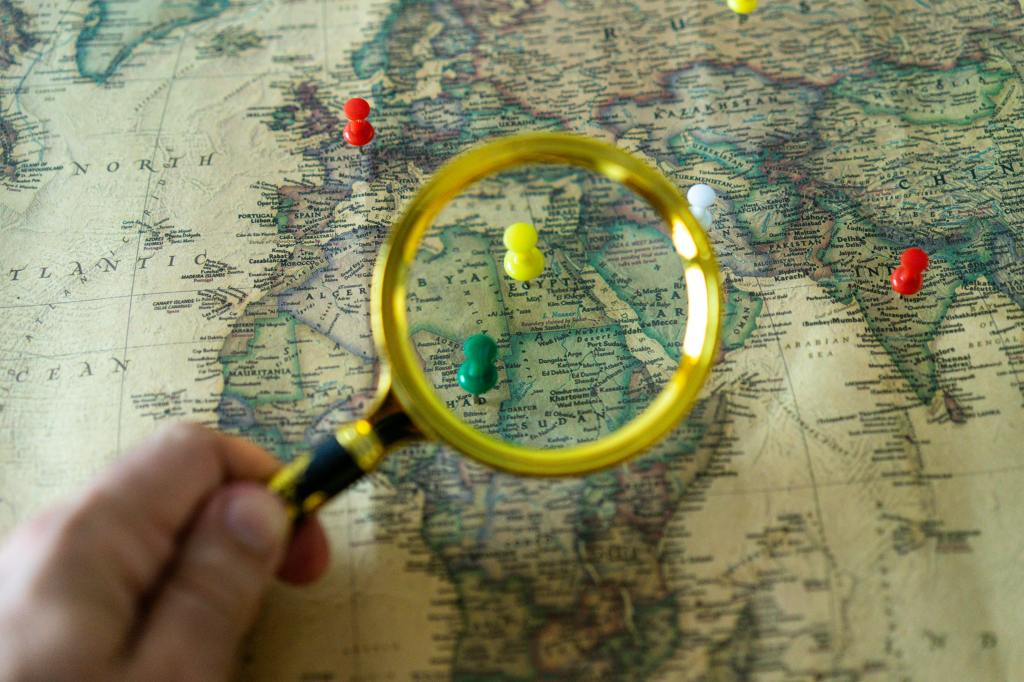
You open your laptop and start searching for “best solo travel destinations.” The internet answers with every possibility: coastal towns, creative cities, quiet mountains, tropical islands. They all look good. They all promise something. And yet, instead of clarity, you feel overwhelmed.
It is not the lack of options that makes it hard to choose; it is the question underneath: what kind of place do I actually need right now?
Solo travel has a way of exposing where you really are in life. The excitement of planning quickly turns into a mirror. Every destination you imagine reflects a different version of yourself. Some places make you feel brave. Others make you feel grounded. Some awaken something that has been quiet for too long. And some simply let you rest without needing to explain why.
The truth is, there is no single “best” destination for solo travelers. There is only the one that fits your current rhythm, the place that meets you halfway between who you are and who you are becoming. Choosing that kind of destination is not about chasing a dream location; it is about understanding your own energy and what season of life you are in.
Maybe you are coming out of a long stretch of work and you need somewhere soft, somewhere that lets you move slowly again. Maybe you have been feeling stuck and crave a city that stirs your senses. Or maybe you want to disappear into a place where no one knows your name, not to escape life, but to remember what it feels like to belong to yourself.
What makes a trip meaningful is not distance or beauty. It is fit. The right place will not demand performance. It will feel like breathing. It will let you settle into your solitude without loneliness and find quiet momentum in your own company.
Choosing a destination that matches your energy is not about luxury or trend; it is an act of self-awareness. You are not picking a postcard; you are choosing a temporary home for the version of yourself that needs space to grow.
- Why Choosing the Right Solo Travel Destination Feels So Hard
- Start With Your Real Reason for Traveling Solo
- Balance Your Energy With Reality: Budget, Time, and Capacity
- Choose the Kind of Experience You Want Each Day
- Filter and Shortlist Destinations That Fit Your Life
- Prioritize Safety, Belonging, and Comfort When Traveling Alone
- Pick Accommodation and Neighborhoods That Match Your Energy
- Test Your Choice Before You Commit Fully
- Redefine What Counts as a ‘Real’ Solo Trip
- FAQs About Choosing a Solo Travel Destination
- Finding the Place That Feels Like You
Why Choosing the Right Solo Travel Destination Feels So Hard
When you start planning a solo trip, the excitement hits first. The idea of freedom, the thought of walking through unfamiliar streets, the promise of silence that belongs entirely to you. Then comes the reality: you have no idea where to go. The list of options keeps growing, and every destination starts to blur into the next.
You tell yourself it should be simple, but it is not. The map feels too wide. Every choice feels like a test. What if it is not the right place? What if it is too quiet, too crowded, too far, too close? What if you spend all this effort only to feel the same as before?
Choosing where to go alone is harder than choosing where to go with others because there is no one else to absorb your indecision. You are not picking a destination for entertainment or convenience. You are choosing a landscape that will hold your thoughts when no one else is around.
Underneath the logistics, what you are really deciding is how you want to feel. The place you choose will become your mirror. A busy city might make you feel alive, but it might also drain you if what you truly need is stillness. A quiet town might calm you, but it might also magnify the loneliness you have been trying to outrun.
The difficulty is not in the travel planning; it is in the alignment. There is the place you want to see, the place you can afford, and the place your energy can actually handle. When all three overlap, you have found your destination.
Until then, the confusion you feel is not failure. It is part of the process. You are learning to choose with awareness instead of impulse, to travel from honesty instead of escape. The right place will not compete for your attention. It will quietly feel like relief.
Start With Your Real Reason for Traveling Solo
Every trip begins with a feeling, even before it becomes a plan. Maybe you are restless. Maybe you are tired of being surrounded by noise that does not feel like connection. Maybe something in your life has ended, and you do not yet know what should begin. Solo travel starts as motion, but underneath it is always motive.
When you understand why you are traveling alone, everything else becomes easier. It is not enough to say you just want to get away. What are you getting away from? Or toward? Your reason shapes everything: the distance you can handle, the rhythm you will crave, the kind of quiet you will need.
If you are leaving to heal, look for places that let you slow down. The sea, mountains, small towns where time does not rush. If you are leaving to find inspiration, go where the world hums, cities that buzz with movement, art, and people who are alive with their own stories. If you are leaving to remember who you are, pick somewhere that gives you anonymity, where no one expects anything from you.
Knowing your reason is not about overanalyzing. It is about honesty. The same destination can feel completely different depending on the season of your life. A city that once made you feel alive might overwhelm you when you are fragile. A place you once ignored might suddenly feel like oxygen when you are rebuilding.
Before you book flights or browse hotels, take a moment to name your reason. Write it down if you can. You will start to see patterns, certain types of places that speak to where you are and where you want to go next. When your purpose is clear, the map begins to narrow. The question stops being “where can I go?” and becomes “where do I belong right now?”
Balance Your Energy With Reality: Budget, Time, and Capacity
Solo travel can be freeing, but it can also expose the limits you prefer not to see. Money, schedules, and energy all have their own weight, and pretending they do not matter is how good trips become stressful ones. Matching your energy to a destination also means respecting what your life can hold right now.
Budget
Be honest about what you can spend. Not what you hope you can spend, but what you can pay without coming home anxious. Consider the full picture: transportation, stay, food, local movement, and a small margin for the unexpected.
You do not have to chase luxury to feel alive. A well-chosen budget trip can give you more freedom than a high-end escape that keeps you tense about every purchase. Look for places where value meets peace, where your money stretches far enough that you can exhale.
Time
A week off sounds long, until you subtract travel days and exhaustion. If you only have five days, pick a destination that does not demand half of them in transit. The goal is to spend more time being there than getting there. Shorter trips can be just as meaningful if they fit the rhythm of your life.
If you are drawn to faraway countries but only have a few days, try a smaller local version first. You can always go farther when your schedule expands.
Capacity
Every trip requires energy. Some demand more social stamina, others physical strength, others emotional space. If you are drained, do not book a destination that needs constant movement or attention. Choose one that lets you rest without guilt.
If you are itching for change, look for places that challenge you just enough to feel alive. The point is not to prove anything. It is to be realistic about what kind of environment you can meet fully, without resentment or strain.
When your resources match your intentions, you travel with clarity instead of pressure. Your trip no longer becomes a test of endurance. It becomes an act of alignment.
Choose the Kind of Experience You Want Each Day
Before choosing a destination, picture what your days will actually feel like once you are there. Forget the highlight reels for a moment. What do your mornings look like? What sounds do you wake up to? What kind of light fills the room?
Some travelers crave slow, grounded days, coffee in silence, long walks, unplanned afternoons. Others need stimulation and movement, markets, music, new faces, energy that keeps them awake. You will enjoy a place more when it matches how you naturally move through the day.
If you have been working nonstop, you might want a destination that invites rest. Think seaside towns, mountain lodges, or quiet provinces where the biggest decision is where to watch the sunset. If you feel uninspired, choose cities that hum with life, where you can walk for hours and be surrounded by art, conversation, and color.
The type of experience you want also shapes your comfort level. Do you want to be surrounded by people or left in peace? Do you want nature or noise, routine or adventure? There is no wrong answer, but the honesty in your answer will save you from disappointment later.
Every destination carries a rhythm. Some speed you up. Some slow you down. Some stretch you into discomfort, and others hold you while you rebuild. Choosing a place that fits how you want to live each day means you will not need to force the trip to be meaningful; it will already move at the pace your soul needs.
Filter and Shortlist Destinations That Fit Your Life
Once you know why you are traveling and how you want your days to feel, it is time to narrow things down. This is where clarity meets practicality. The goal is to stop chasing every option and start identifying the few that actually fit your life right now.
Start by writing down your non-negotiables. How far are you willing to travel? How much time can you realistically spend? What weather feels good to you? What level of comfort do you need to feel safe? These questions are not limitations; they are filters. They help you recognize what will truly work instead of what simply looks good online.
If you have limited time or energy, focus on nearby or domestic spots that mirror the experience you want. A small coastal town can offer the same calm as a remote island, without the exhaustion of long flights. If you crave inspiration, look for mid-sized cities where creativity thrives and the pace is manageable.
Use the following filters to refine your search:
- Distance. Pick somewhere close enough that you can arrive without burnout.
- Season. Check the weather and the crowd levels. Off-season travel can give you quiet and affordability.
- Budget. Compare exchange rates, local food prices, and transport costs.
- Safety. Read updated reviews, especially from solo travelers.
- Language and infrastructure. Choose a place you can navigate confidently.
Once you apply these filters, your list will shrink, but what remains will feel right. These are the destinations that align with your resources, your season of life, and your current energy. They are not fantasy trips. They are real, reachable experiences that belong to you now.
The best solo travel decisions are the ones that make both your heart and your schedule exhale at the same time.
Prioritize Safety, Belonging, and Comfort When Traveling Alone
You cannot relax in a place where you do not feel safe. It does not matter how beautiful the destination is if you are spending every evening watching your back or doubting whether you belong. Safety is not just about avoiding danger; it is about creating the conditions that allow you to be fully present.
Before you go, do your research. Read recent experiences from other solo travelers, not just the polished travel blogs. Look for people who share your background, identity, or comfort level. Their stories will tell you what the official travel guides cannot.
If you are a woman, queer traveler, or person of color, pay extra attention to how others like you describe being treated. Do they feel seen? Ignored? Harassed? Welcomed? The tone of those stories will often say more than statistics.
Choose accommodation that feels safe the moment you arrive. Well-reviewed hostels, guesthouses, or small hotels with a visible staff presence can make a difference. If you are staying in an unfamiliar area, choose neighborhoods with a reputation for calm and good lighting rather than proximity to nightlife.
Also consider comfort as part of safety. Some people thrive in chaotic cities. Others need predictability to stay grounded. Trust your own comfort thresholds. You are not weak for wanting structure or wrong for craving adventure.
When you feel secure, your energy expands. You notice details, you connect with people, you slow down. You begin to experience the place instead of surviving it. And that is when travel becomes what it was meant to be: not an escape, but a deeper form of belonging to the world.
Pick Accommodation and Neighborhoods That Match Your Energy
Where you stay is as important as where you go. The neighborhood and accommodation you choose will shape how safe, rested, and connected you feel. Two travelers can visit the same city and have entirely different experiences because one stayed in chaos while the other stayed in calm.
Start by asking what kind of energy you want around you. Do you want noise and movement or quiet and solitude? Do you want to meet people or recharge in private? Your answers will decide whether you should look for a social hostel, a boutique hotel, or a small guesthouse by the sea.
If you crave community, pick hostels or co-living spaces with shared kitchens and open lounges. Look for reviews that mention friendliness, group dinners, or easy conversation. You will have the chance to connect naturally without forcing it.
If you need privacy, choose smaller hotels or apartments where you can unwind. Read reviews that describe the atmosphere as peaceful, quiet, or well-kept. Some travelers find that one night of stillness does more for their soul than a week of constant activity.
Pay attention to the neighborhood as much as the property. A city’s center might offer convenience, but sometimes the outer areas give you space to breathe. Check if local transport is reliable, if the streets feel safe after dark, and if essential spots like cafés, pharmacies, or markets are nearby.
When you align your accommodation with your energy, you build a rhythm that supports you. The mornings will feel lighter. The nights will feel calmer. You will wake up with curiosity instead of fatigue. The place you stay in should not just house you; it should quietly help you remember why you came.
Test Your Choice Before You Commit Fully
You will never know exactly how a place feels until you arrive, but you can reduce the risk of mismatch by testing your choice before you go all in. This is not about overplanning; it is about seeing how the destination might fit your current rhythm.
Start with research that feels human, not just glossy. Watch vlogs or daily life videos from people who actually live there or have traveled recently. Listen to how they describe their experience, how safe they felt, how easy it was to move around, what surprised them. This helps you sense the energy of a place beyond travel photos.
Read forums and community posts. Spaces like Reddit or Facebook groups for solo travelers often hold honest discussions about what worked and what did not. You will find details that guidebooks skip: which towns feel isolating at night, which cities are better for walking, which beaches are peaceful instead of crowded.
If you are still unsure, take a small practice trip somewhere nearby. Travel for a few days alone, even within your country. Notice how you feel. Do you get restless or calm? Do you thrive on silence or seek conversation? Your reactions will teach you what kind of environment fits before you spend heavily on flights or long stays.
Testing your choice is not a sign of hesitation. It is a form of care. It shows you are choosing your destination with awareness instead of impulse. The best solo trips are not born from luck; they are built from listening, to yourself, to your limits, and to the quiet ways a place calls you before you arrive.
Redefine What Counts as a ‘Real’ Solo Trip
There is an idea that solo travel only counts if it takes you far away. Long flights, foreign languages, and postcard-worthy spots have become the measure of what makes a trip meaningful. But the truth is, distance has never been the real marker of discovery. Presence is.
A solo trip does not need to be a grand escape. Sometimes it is a three-day break in a nearby province, a quiet Airbnb by the coast, or an overnight stay in a part of your city you have never explored. What matters is the intention you bring into it. You can change countries and still carry the same weight inside you, or you can stay close to home and return lighter.
When you strip away the need to prove something, travel becomes simple again. You are no longer chasing novelty; you are seeking alignment. A small trip that genuinely fits your life will always do more for you than an ambitious one that leaves you drained.
So if your budget or schedule keeps you close, do not treat it as settling. Treat it as a beginning. Start with what is accessible. Walk the streets you usually pass without noticing. Eat alone in a new café and watch life unfold. These moments are not less valuable; they are the building blocks of independence and awareness.
A real solo trip is not measured by how far you go, but by how fully you meet yourself when you get there.
FAQs About Choosing a Solo Travel Destination
How do I choose a solo travel destination that truly fits me?
Start by asking what you want to feel rather than what you want to see. Do you need rest, stimulation, clarity, or connection? Then match that emotion with what your time, budget, and energy can hold. A place fits you when its pace feels natural, not forced, and when you can breathe there without needing to perform.
What are the best solo travel destinations for first-timers?
Look for places that are walkable, welcoming, and easy to navigate. Cities and towns known for hospitality and safety help you focus on the experience instead of logistics. Think smaller coastal towns, cultural hubs, or domestic spots that balance calm with comfort. The “best” place is one that lets you be at ease in your own company.
How can I plan a solo trip on a limited budget?
Start close to home. Transport often eats most of the cost, so cutting distance gives you more freedom. Look for destinations with affordable local food, walkable areas, and free public spaces like parks, markets, and beaches. Budget travel works best when it feels light on the mind, not just the wallet.
How do I know if a place is safe for solo travelers?
Go beyond generic safety ratings. Read recent reviews from solo travelers and note how they describe being treated and moving around. Check how locals behave toward tourists, how easy it is to get help, and whether public transport feels reliable. Safety is not about fear; it is about feeling free to be fully present.
How far should I go for my first solo trip?
Choose a distance that feels exciting but not overwhelming. For most first-timers, this means a nearby city or short flight. The goal is to experience independence without exhaustion. Once you know how you travel best, longer trips will come naturally.
How long should my solo trip be?
Four to seven days is usually ideal. It gives you time to settle into a rhythm, feel the shift, and still return home grounded. A shorter trip helps you learn your own pace before committing to longer journeys.
What if I pick the wrong place?
There are no wasted trips. Even when a destination does not fit perfectly, it teaches you what kind of energy and environment you actually need. You come home with clarity, which is worth more than perfection.
Can I travel alone even if I feel scared or anxious?
Yes. Start with small steps. Choose a safe, familiar destination with clear structure and support. Fear does not mean you are not ready; it means you are about to expand. Confidence grows through experience, not before it.
How can I meet people when traveling alone?
Stay in places that encourage natural interaction such as hostels, community cafés, or guesthouses with shared spaces. Join small group tours or classes that align with your interests. You do not need to force connection; curiosity is usually enough to open the door.
How do I decide where to travel next after my first solo trip?
Reflect on your last experience. Where did you feel most alive? What tired you out? Let those answers guide the next choice. Solo travel becomes easier when every trip builds on what you learned from the last one.
Finding the Place That Feels Like You
In the end, choosing where to travel alone is not really about the destination. It is about alignment. You are not trying to find the most impressive place on a list; you are trying to meet yourself somewhere new. The best solo trips happen when what you want, what you can afford, and what your heart is ready for finally meet in the same direction.
When you travel this way, the place stops being a backdrop and becomes a companion. The streets you walk, the faces you pass, the quiet moments in between, they start to echo something familiar inside you. The right destination will not change who you are; it will remind you that you have always been capable of movement, even when you felt stuck.
So take your time. Listen to the pull that feels calm rather than loud. Whether it is a nearby town or a faraway country, the right place will always have one thing in common: it will feel like a gentle exhale, a space that says, you can begin again here.
If you found this piece insightful, consider supporting my work – every contribution helps fuel more in-depth stories, reflections, and meaningful content. Support here!
