What is Healing in Chaos?
Healing in chaos means finding emotional recovery and inner peace while surrounded by stimulation, crowds, or noise. It is the ability to stay grounded in intense environments instead of escaping from them.
Why I Traveled to Boracay When I Needed Peace
When most people think about healing, they imagine silence. Retreats. Nature. Space to breathe.
But not everyone heals in stillness. And not everyone can afford to.
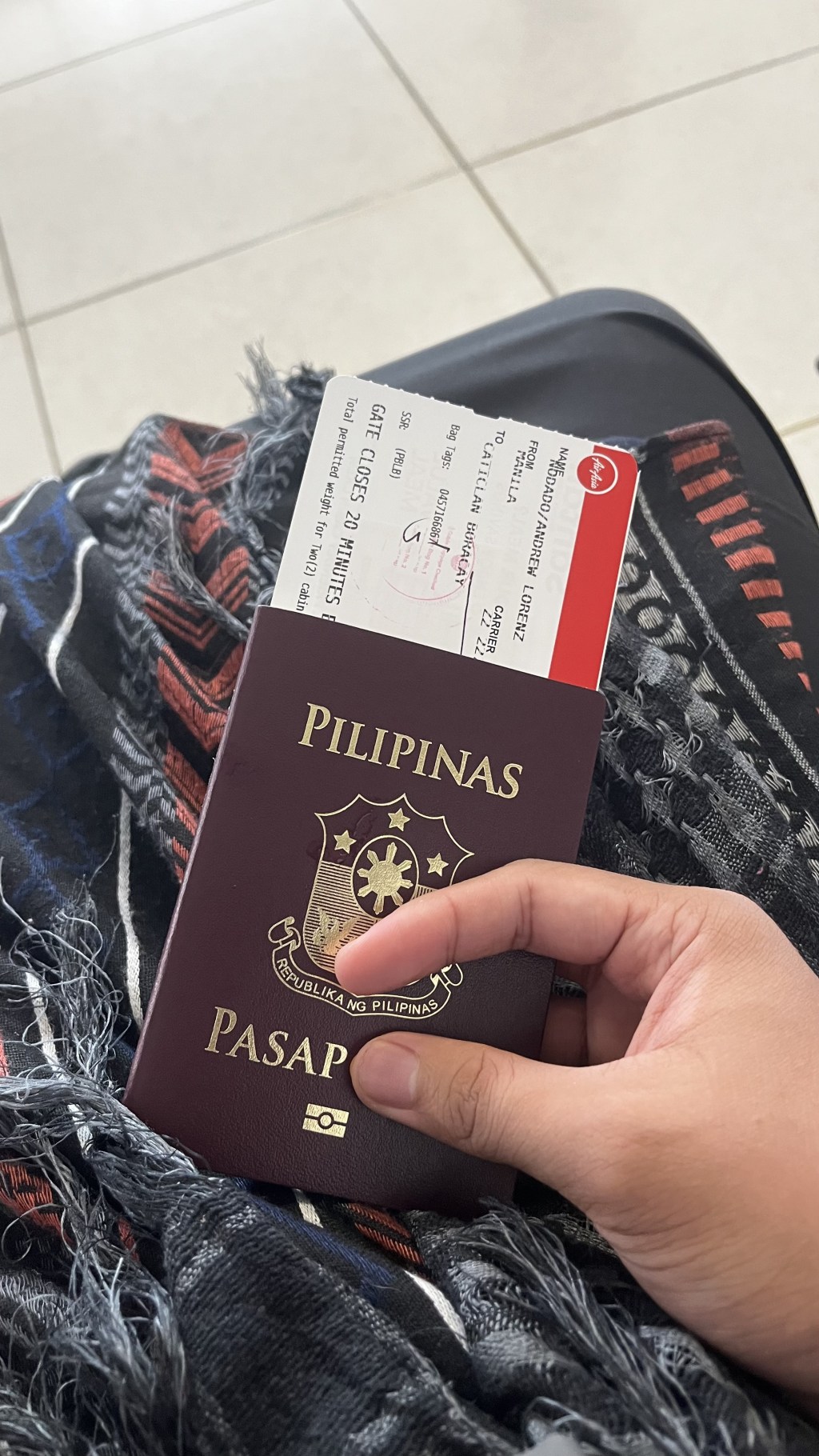
I booked a solo trip to Boracay while emotionally drained and working through burnout. It was a crowded, tourist-heavy place – loud, chaotic, full of distractions. But that’s exactly why I chose it. I didn’t need silence. I needed motion. I needed anonymity. I needed to feel like I was part of something without having to perform for anyone.
This isn’t about glorifying party destinations. It’s about recognizing that introverts, emotionally exhausted people, and solo travelers don’t always heal in the ways that wellness trends suggest. Sometimes, healing looks like drinking a quiet coffee while music plays in the background. Sometimes it looks like journaling on a busy beach while tourists pass by. And sometimes, being in a loud place is what helps you find peace inside yourself – not in spite of the noise, but because of it.
Boracay gave me space to observe, to rest, and to feel – without being watched or asked how I was doing. The noise became a shield. The environment became a container. And that taught me that peace doesn’t always mean isolation. Healing in tourist traps is possible, especially when you know how to create your own internal quiet.
This blog is about that contradiction. About choosing loud places when you need to heal. And how, if you’re intentional, those very places can offer the peace you didn’t know you were capable of finding.
- What is Healing in Chaos?
- Why I Traveled to Boracay When I Needed Peace
- Why Loud Places Sometimes Heal Us More Than Silence
- The False Fantasy of Quiet Retreats
- How I Redefined Peace in Loud Places
- Tools for Protecting Your Energy in Loud Places
- Frequently Asked Questions: Healing in Loud Places
- The Quiet Truth Hidden in Chaos
Why Loud Places Sometimes Heal Us More Than Silence
Most travel guides recommend quiet places when you are tired or emotionally burned out. They suggest remote islands, mountain cabins, or yoga retreats. But for many of us – especially introverts, solo travelers, or people recovering from grief or stress – these silent settings can sometimes feel more overwhelming than helpful.
Silence is not always peaceful. In fact, for people who are emotionally raw, silence can be harsh. It can expose you to thoughts you are not yet ready to process. It can make your sadness louder. That is why some of us choose loud travel destinations instead.
We do not go to noisy places to avoid healing. We go there because the noise gives us something else. A buffer. A background. A rhythm that reminds us the world is still moving even if we are not.
1. Noise as Camouflage for Emotional Safety
In a loud place like Boracay, I did not feel the need to explain myself. No one asked what I was going through. No one stared. No one expected me to be okay. I could sit quietly in a busy café, journal on a noisy beach, or simply observe the world around me. There was comfort in knowing I could exist without being noticed.
This is especially important for introverts or people navigating emotional fatigue. Crowds can create emotional privacy. They let you feel without putting that feeling on display. They allow you to blend in while staying internal.
This is one of the reasons why introvert travel to tourist traps can be surprisingly healing. It is not about the party. It is about the freedom to be invisible.
2. Movement Helps the Mind Reset
Another overlooked benefit of noisy places is movement. Busy destinations are full of transitions. New faces, different sounds, changing light, shifting energy. This constant movement can actually help the mind stabilize.
When you are stuck emotionally, motion is often the best medicine. And travel for peace does not always mean stillness. It sometimes means putting yourself in environments where your senses stay engaged but not overwhelmed.
In Boracay, the noise kept me awake, but not anxious. The movement around me created space for mental release. I was not overthinking because I was observing. I was not spiraling inward because my senses were tethered to the world around me.
3. Distraction Is Not Always Avoidance
There is a big difference between distraction that numbs and distraction that soothes. When you choose loud places intentionally, with a plan to rest and reflect, they can become powerful environments for gentle healing.
I did not party every night. I did not force myself to join the crowd. But I appreciated the background hum of the world continuing. It gave me the room to pause, without feeling alone.
Healing in tourist traps does not mean avoiding your problems. It means letting your environment support you emotionally, even if it looks nothing like the wellness retreats you see online.
The False Fantasy of Quiet Retreats
When people search for peace, they are often told to find silence. The dominant advice for emotional burnout is to go on a quiet retreat. This might look like booking a cabin in the mountains, finding a beach far from the crowds, or going off-grid to “reconnect” with yourself. But for many travelers – especially introverts or emotionally exhausted people – this fantasy of silence can become a trap.
While quiet retreats for healing are marketed as the ideal solution, they are not always realistic, helpful, or even emotionally safe.
1. Stillness Can Be Overwhelming Instead of Soothing
Solitude is often framed as the highest form of self-care, but in reality, it can be emotionally intense. When you go somewhere quiet, especially after months or years of stress, the silence can feel suffocating. Without distractions, your emotions rise to the surface. Every anxious thought, every unresolved feeling, every buried sadness shows up all at once.
This is a common experience for people who try solo travel for healing without understanding how intense stillness can be. The peaceful landscape may look beautiful, but it does not guarantee emotional safety. In fact, it can make you feel more isolated than supported.
If you are not ready for silence, it can turn into pressure. This is why many solo travelers unexpectedly feel worse during their supposed healing trips. The very stillness they thought they needed becomes another source of stress.
2. Wellness Retreats Are Often Designed for Privilege, Not Recovery
Most curated healing retreats are expensive. They are designed around aesthetics – clean spaces, organic meals, yoga at sunrise – not necessarily around the emotional realities of healing. This is a problem for people looking for affordable healing travel or accessible emotional recovery trips.
What happens if you cannot afford a weeklong retreat? What if you do not feel safe being completely alone with your thoughts? What if your healing needs more structure, more movement, or more social distance – but not full isolation?
This is where the myth of the retreat breaks down. Wellness travel often sells an image of peace, not the practice of it. And when people do not match that image, they feel like they are doing healing wrong.
3. Tourist Destinations Can Still Be Healing Spaces
Contrary to popular belief, healing does not always require silence. Healing in noisy places is possible when you approach it intentionally. A busy café can become a grounding space. A loud beach can be calming when you have your own internal rituals. The presence of people does not always disrupt peace – it can create the emotional safety of being unseen.
This is why many emotionally tired travelers choose solo trips to tourist-heavy places like Boracay. These destinations offer structure, rhythm, and stimulation, without demanding deep social engagement. You can observe, rest, reflect, and recover quietly within the noise. It feels safer than total stillness. It allows you to heal in fragments.
Not all peace is found in silence. Some peace lives in motion. Some healing starts in places that do not advertise themselves as “healing destinations” at all.
4. Emotional Recovery Should Not Require Escape or Perfection
One of the biggest myths in healing travel is that you must escape your life completely in order to find peace. That you need to disconnect from the world, go offline, and retreat into nature. But not all emotional recovery trips need to look that dramatic. And they do not need to be perfect.
Peace is not about the setting. It is about how supported you feel in that setting. Some people recover faster in movement. Others feel safer in mild distraction. Some introverts even feel more emotionally held in a crowd than in solitude.
The problem is not with retreat travel itself – it is with how narrowly we define healing.
5. Healing Is a Personal Process, Not a Universal Template
There is no single correct way to heal. For some people, a quiet retreat is exactly what they need. But for others, silence brings up too much, too soon. This is especially true for people dealing with grief, burnout, depression, or high-functioning anxiety.
If you feel more emotionally stable while surrounded by motion, music, or strangers, that is valid. If you choose a solo trip to a busy destination instead of a remote retreat, that is still travel for healing. Your version of peace does not need to look like a wellness ad.
Healing can start in public places. It can begin during a crowded sunset walk. It can unfold at a noisy breakfast table while journaling with earphones in. There is no shame in choosing what supports you now – even if it does not fit the usual mold.
How I Redefined Peace in Loud Places
Before this trip, I believed peace could only exist in quiet. I thought it lived in remote cabins, in yoga retreats, in minimalist routines where silence was treated like medicine. The version of peace I chased was delicate and specific, something that had to be protected from the noise of the world. I assumed healing would only come if I stripped everything away – people, sound, stimulation – and entered some perfect state of stillness. But when I arrived in Boracay, a place known for being busy and loud and relentlessly alive, something shifted. I found that peace was not waiting for me on the edges of silence. It was already there, embedded in the chaos, asking if I had the capacity to meet it differently.
Peace stopped being something I needed to earn through escape. It became something I could build and access even when everything around me was in motion. The longer I stayed, the more I realized that peace was not about finding the perfect environment. It was about practicing emotional safety no matter where I was. That realization changed everything. I no longer needed the world to quiet down before I could feel okay. I no longer waited for the ideal conditions to rest. I stopped treating noise as the enemy and started listening for the rhythms inside it that felt like my own. That was the beginning of a different kind of healing – one rooted in choice rather than control.
To survive emotionally in such a vibrant place, I created anchors. I did not rely on the environment to give me peace. I brought my own system with me. Each day, I followed rituals that gave me structure without rigidity. I took early morning walks before the island fully woke up, not to chase productivity, but to give myself space to arrive slowly. I ate alone without distractions, allowing my body to slow down without the need to scroll or perform calmness. I journaled in public cafés with the music and voices around me becoming part of the atmosphere. And when I started to feel overstimulated, I did not shut down – I reached for small, accessible tools. A deep breath. A scent I had brought with me. A touch to the center of my chest. These were not dramatic acts of self-care. They were signals of self-return.
In the past, I treated peace like it would shatter if I wasn’t careful. If someone talked too loud next to me, if a song came on that didn’t match my mood, if the timing of the day shifted unexpectedly, I felt like I had failed at healing. But that was not peace. That was pressure. And healing under pressure is not healing – it is rehearsal. What I found in Boracay was that real peace is not fragile. It does not demand the world behave a certain way. It does not collapse the moment you enter a crowd. True peace is resilient. It is internal strength that moves with you, not against you. It is the kind of emotional flexibility that allows you to stay soft inside intensity, and that is what I had been searching for all along.
The more I practiced these small moments of presence in the middle of everything, the more I realized I did not have to run anymore. I did not need to escape to feel like myself. I could be in the middle of a crowd, music playing, people laughing nearby, and still feel grounded. Not because I was numb or distant, but because I trusted myself to leave when I needed to. I trusted myself to return to my body. That trust, more than any specific location or wellness technique, became the real foundation of my recovery.
This is why I now believe in healing in chaotic places – not because they distract you from your problems, but because they challenge the false belief that peace only happens in isolation. They ask you to look inward instead of outward. They teach you how to build your own quiet without depending on silence. Healing in noise, when done with intention, can be just as powerful as healing in stillness. Sometimes, it is even more honest. Because it shows you that your peace is not conditional. It is not a luxury. It is a practice you can carry with you, wherever you go.
When I let go of how peace was supposed to look, I started paying attention to how it actually felt. And what it felt like, in Boracay, was presence. It was sitting in a crowded café without apologizing for being there. It was resting in a room that wasn’t silent but still felt safe. It was walking along the beach at dusk and knowing I didn’t need the moment to be perfect in order for it to be real. That was peace. And it was mine.
Tools for Protecting Your Energy in Loud Places
Traveling to crowded or high-energy destinations while healing can be grounding, but only if you have the right systems in place. Without conscious boundaries and rituals, even the most beautiful place can leave you feeling drained or overstimulated. This is especially true for introverts, emotionally sensitive travelers, or anyone navigating grief, burnout, or mental fatigue.
When I was in Boracay, I knew I was entering a setting that was socially charged and visually intense. I was not there to party, but I was also not there to retreat entirely. My goal was to find a rhythm that let me stay emotionally connected without getting pulled in too deep. The solution wasn’t avoidance. It was intention. What helped me most were small, consistent practices that acted as internal boundaries – ways of protecting my energy without needing to isolate.
These are the tools that supported me, and that I now bring into any emotionally complex solo trip:
1. Sensory Reset Tools
When your environment is full of sound, movement, and unpredictable energy, your nervous system can start to fatigue. Carrying a few lightweight sensory tools helped me recalibrate throughout the day without needing to return to my room.
- Noise-cancelling earphones or silicone earplugs gave me control over my audio input. Even just wearing them while walking between locations allowed me to conserve mental space.
- Aromatherapy rollers or calming scent balms acted as physical signals to pause. A quick application to the wrist or temples reminded me to breathe and come back to my body.
- Hydration and cold water were underrated tools. Drinking water slowly or splashing my face helped regulate when I started to feel overstimulated in hot or crowded spots.
These reset habits became a kind of emotional hygiene – small but powerful actions that allowed me to maintain equilibrium throughout the day.
2. Solo Rituals That Create Structure
Rituals do not need to be dramatic or spiritual. For me, they became patterns of behavior that helped mark emotional transitions and maintain a sense of rhythm in an otherwise unpredictable setting. They helped me stay grounded in myself instead of floating into the noise around me.
- Early solo walks before the day’s energy peaked gave me a quiet baseline. I did not walk with urgency or a destination. I walked to be present before the world got loud.
- Intentional meals alone where I resisted the urge to scroll. I focused on my senses, the texture of the food, the act of chewing. These moments created real pauses in a trip that could have easily become nonstop stimulation.
- Journaling in public was not about writing profound things. It was about having one safe space where I could speak freely without needing to perform. It reminded me that my experience mattered, even in the middle of a tourist crowd.
These rituals were acts of quiet resistance. They did not reject the world around me, but they centered my own needs within it.
3. Boundaries Without Explanation
One of the most powerful tools for healing in social spaces is learning to say no gently but firmly. Not everything requires a reason. Not every decision needs to be shared. I gave myself permission to protect my peace without explanation.
- I left cafés or bars when my body signaled it was time to go, even if I had just arrived.
- I opted out of conversations that felt like small talk with no emotional safety.
- I chose activities that supported restoration, not performance. That meant skipping excursions when I needed rest, and choosing calm over obligation.
If someone invited me to join something and I didn’t feel ready, I simply said I had other plans. The plan was to take care of myself. That was enough.
4. Exit Points and Gentle Departures
One of the most useful strategies I carried was knowing how to leave without guilt. Before entering any new space – a café, a beach hangout, a casual social encounter – I decided ahead of time how I would exit. I created a mental threshold. If I reached that point, I would honor it.
This helped me avoid the spiral of overexertion, where you stay in a space longer than you want to out of politeness or fear of judgment. It also allowed me to engage more fully while I was present, because I knew I could step out at any time.
The best part was that nobody really noticed. The world moved on. And I left with more energy than when I arrived.
These tools were not just about making the trip more manageable. They were the reason I could actually enjoy it. They allowed me to receive what the place had to offer without losing the core of why I was there in the first place: to recover, to reflect, and to return to myself in a way that felt honest.
If you are planning a solo trip to a high-energy destination while healing, do not focus only on where to go. Focus on how you will stay with yourself once you get there. Healing in noise is possible, but only if you listen closely to your own rhythms. The tools are simple. The practice is sacred.
Frequently Asked Questions: Healing in Loud Places
Is noisy travel good for introverts?
Yes, it can be – if you are intentional with your time, energy, and boundaries. Many introverts associate healing with solitude and quiet, but that is not the only way to restore yourself. Traveling to a lively or crowded place does not have to mean overexertion. When approached mindfully, it can actually offer emotional privacy and freedom. The key is to create your own rhythm within the environment. You do not have to participate in everything. You just have to stay grounded in what serves your recovery.
Can a party destination like Boracay be peaceful?
Absolutely. It depends on how you approach the space. Destinations like Boracay are known for their social scenes, but they also offer quiet mornings, calming beachfront views, and solo-friendly cafés that are perfect for reflection. Peace is not about the noise level of a place. It is about how you move through it. If you know how to protect your energy, set boundaries, and choose what kind of engagement you want, then even a tourist-heavy island can become a deeply restorative environment.
How do I protect my energy in loud travel spots?
Bring tools that help regulate your senses. This could mean wearing earplugs, using scent rollers, scheduling early solo walks, or setting internal time limits for how long you stay in public spaces. Give yourself permission to leave without guilt, even if it feels abrupt. Build daily rituals that give you something to return to. And most importantly, do not feel the need to explain your quietness. Your presence alone is enough. These habits are essential if you are pursuing healing in chaotic places while traveling solo.
Why do I sometimes feel more grounded in crowds than in silence?
Because silence is not always soothing. For some people, especially those dealing with grief, burnout, or anxiety, silence can bring up emotions too quickly. Crowds, movement, and gentle distraction can create a safe container. You can process your emotions without being watched or judged. You can feel what you need to feel while the world moves around you. This is why many travelers discover that emotional healing in busy destinations feels more honest and sustainable than forced solitude.
Is it valid to heal in public places or tourist traps?
Yes. Healing does not need to happen in a retreat or a remote location. You do not need to disappear to get better. You can heal on a bus ride, during a walk through a night market, or while sitting on a busy beach with your journal. The idea that real healing must be quiet and isolated is outdated. If you are listening to yourself, caring for your nervous system, and moving through the world with intention, then you are healing. Whether you are in a remote mountain town or a crowded city square, the process is valid.
The Quiet Truth Hidden in Chaos
What this trip taught me – what it demanded I face – was that healing does not wait for ideal conditions. It does not require the world to slow down or everyone around me to be quiet. It does not ask me to retreat so far from life that I forget how to live in it. For the first time, I realized that peace is not something I need to go out and find. It is something I need to practice. And that practice can happen anywhere, even in the loudest places.
I arrived in Boracay expecting to tolerate the chaos, maybe even escape it by hiding in early mornings and empty side streets. But what I found instead was that the chaos was not something to run from. It was something to move with. The movement around me helped loosen the parts of myself I had kept locked away. The noise gave me space to breathe without performance. The presence of strangers reminded me that I did not owe anyone a version of myself I could not sustain. For once, I did not have to explain why I was quiet. I did not have to defend my stillness. I simply existed.
There is a strange kind of freedom in healing while the world keeps moving. In a retreat, everything slows down to meet your pain. But in a place like this, you learn to hold yourself while life continues at full volume. You learn to take breaks in public without shrinking. You learn to cry without drama, to smile without pressure, to return to yourself without leaving everything behind.
I used to think that real recovery meant disappearing. Now I know that it can also mean reentering. Gently. Softly. Slowly. Not with a grand plan or a perfect mantra, but with a quiet commitment to stay honest with yourself – no matter how loud everything else becomes.
This trip did not change who I was. It reminded me of who I had always been, underneath the noise of productivity and expectation. Someone who wanted to feel deeply. Someone who needed space to soften. Someone who was allowed to heal on their own terms, even if that meant sitting in a crowded café or walking through a marketplace alone.
The truth is, peace does not belong to the quiet. It belongs to those who can hold themselves through contradiction. And healing does not always arrive in silence. Sometimes it shows up in music, in motion, in the brief moment between overstimulation and surrender. Sometimes the most powerful form of recovery is learning how to stay soft, even when the world around you is anything but.
And that is enough.
If you found this piece insightful, consider supporting my work – every contribution helps fuel more in-depth stories, reflections, and meaningful content. Support here!
