
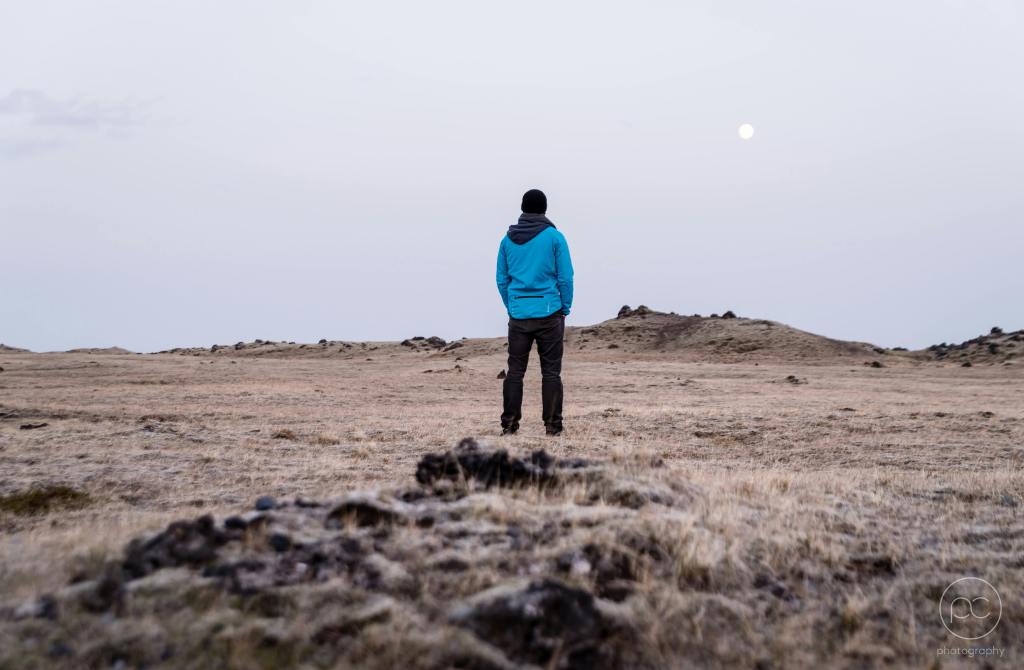
There’s a strange silence before a solo trip. It’s not the kind that feels lonely – it’s the kind that feels like standing at the edge of something quietly life-altering. Maybe you’re here because something’s shifted in you. You’re tired. Curious. Hungry for space. Or maybe you’re just done waiting for someone to come with you. Whatever the reason, this guide is your companion – not the overpacked, hyper-positive kind, but the kind that gives it to you straight while holding space for the real stuff.
Preparing for your first solo vacation isn’t just about checklists and hostel bookings. It’s about the emotional readiness to be alone in a world that doesn’t always know what to do with solitude. It’s about deciding (sometimes shakily) that you’re allowed to take up space, rest, wander, and reenter life on your own terms. This guide won’t sell you fantasies. It will walk you through the honest, practical steps of planning your first solo trip – while making sure you don’t lose yourself in the process. Because at the end of the day, a successful solo trip isn’t about doing everything right. It’s about feeling something real.
- Why People Travel Solo (And What They’re Really Looking For)
- Choosing a Destination That Matches Your Energy (Not the Algorithm)
- Building a Budget That Honors Your Freedom (Not Just Your Wallet)
- Real-World Prep: Documents, Bags, and Energy Checks
- How to Stay Safe When Traveling Alone Without Becoming Paranoid
- How to Enjoy Traveling Alone (Even If You’re Not Used to It)
- How to Handle Loneliness or Overwhelm While Traveling Alone
- When to Join Group Tours During Solo Travel (And When You Shouldn’t)
- How to Document Your Solo Trip Without Performing It
- How to Return Home After a Solo Trip (And Actually Keep What You Found)
Why People Travel Solo (And What They’re Really Looking For)
Solo travel gets talked about like it’s a milestone, a bucket-list item, or a personality badge. You’ll see it framed as an empowering choice or a romanticized rebellion. But the truth is, most people don’t travel alone just for the thrill or the aesthetics. They do it because something inside them has shifted. Sometimes it’s loud, like heartbreak or burnout. Other times, it’s quieter – an invisible build-up of longing, restlessness, or emotional fatigue that becomes too hard to ignore.
That shift is what makes solo travel unlike any other kind of trip. It isn’t always about the destination. Often, it’s a personal reckoning that happens to take place somewhere far from home. And while articles often highlight the surface-level benefits of solo travel (freedom, flexibility, independence) the deeper benefits are often emotional. Clarity. Stillness. The right to feel something real without anyone else’s input shaping it.
This is why solo travel is rarely impulsive, even if the booking moment feels spontaneous. Beneath it is often a quiet declaration: I need space. I need to feel different. I need to know what happens when I am left alone with myself – not as punishment, but as a form of release.
The first time you travel solo, you might not be able to articulate what you’re looking for. That’s okay. Maybe you just know you’re tired of coordinating with others or pretending to enjoy group energy that drains you. Maybe you want the freedom to do nothing. Or maybe you’re hoping that being somewhere unfamiliar will knock something loose inside you.
A successful solo vacation doesn’t have to look dramatic or life-changing. It simply has to do what you secretly needed it to do. Some people need deep rest. Others need a container for emotional catharsis, especially if they’ve been in survival mode for a long time. Whatever form it takes, that need is personal. The point isn’t to come back with a list of places you’ve seen. The point is to come back feeling reenergized or realigned—to feel like you reclaimed something that had quietly been slipping away.
That is what makes solo travel sacred. It’s not a performance or a plot twist. It’s a soft rebellion. A quiet way of saying, “This space is mine. This feeling is mine. This next chapter belongs to me.”
Choosing a Destination That Matches Your Energy (Not the Algorithm)
When you’re planning your first solo vacation, choosing where to go is not just about picking a location with beautiful views or viral appeal. It’s about choosing an environment that mirrors your internal state or gently calls you into a new one. The right destination should feel like a conversation partner – not a backdrop. You are not just asking, “Where’s the best place to go?” You are asking, “What kind of space do I need right now to feel free, steady, or whole again?”
For first-time solo travelers, safety is a valid concern. It’s why search trends lean toward questions like “Where is it safe to travel alone?” or “What are beginner-friendly solo destinations?” But safety doesn’t just mean low crime rates or friendly locals. It also means emotional safety. Does the place allow you to soften? To slow down? To feel things without judgment?
A destination that suits you should feel navigable, not overwhelming. Ideally, look for a place where you can walk around with ease, where you don’t need to constantly perform, and where your solitude is respected. Language accessibility, public transportation, and cultural openness to solo travelers are real factors to consider. But beyond logistics, there’s your emotional bandwidth. Do you want a city that moves fast so you can move with it, or a place that invites you to pause and breathe?
Many people default to recommendations or TikTok travel lists without pausing to ask what they actually want. But the algorithm does not know your soul. You do. For some, that means beach towns where no one asks too many questions. For others, it might be cool-weather cities with a slow pulse and great cafés. Some travelers need structured beauty (mountains, temples, curated walking paths) while others want to disappear into the noise of somewhere bustling and anonymous.
If you’re not sure what kind of place matches your energy, start by asking yourself what you crave most: stillness or stimulation, anonymity or connection, silence or rhythm. Then, make a shortlist of places that naturally lean in that direction. Researching traveler forums or YouTube vlogs can help, but filter everything through your own lens. Avoid the trap of trying to go somewhere “impressive.” Go somewhere that meets you where you are, not where you feel pressured to be.
You don’t need a trending destination. You need a place that lets you walk without looking over your shoulder. A place where you can sit in a corner café, scribble on a napkin, or stare out at the sea and not feel watched. That is the power of a well-chosen solo destination. It doesn’t just offer scenery. It offers space to return to yourself.
Building a Budget That Honors Your Freedom (Not Just Your Wallet)
One of the first barriers that stops people from planning their first solo vacation is money. Not just the actual amount, but the fear of doing it wrong – of overspending, under-preparing, or coming home financially wrecked. But here’s the truth: budgeting for a solo trip is not about rigid restriction. It is about clarity. It is about knowing where your freedom lives and making choices that protect it.
When you travel alone, every peso or dollar you spend is yours. There is no splitting bills, no shared room discounts, no one else to cover for you if things go off track. This reality can be sobering, especially if you come from a background where travel was a luxury or guilt was attached to spending money on yourself. But that is also what makes solo budgeting a sacred act. It forces you to get clear on what actually matters to you.
Start with your non-negotiables. What are the things you are willing to spend more on, because they give you peace of mind or make your experience smoother? For some, it’s private accommodations. For others, it’s one good meal per day or a trusted transport service. There is no right or wrong answer – only alignment. Be honest about your thresholds. Would you rather have a tighter itinerary but feel secure at night? Would you rather cut costs on tours and splurge on comfort food?
Next, build a soft budget. Not a spreadsheet you punish yourself over, but a living document that evolves with your needs. Begin with broad categories: accommodations, food, transportation, activities, miscellaneous, and emergency. Use realistic estimates, and always add a margin for unexpected shifts. Apps can help, but a simple notes app or physical notebook works just as well. You don’t need tech to be intentional.
If you’re worried about affordability, prioritize destinations where your currency stretches further. But also be wary of the myth that travel has to be “cheap” to be worthwhile. Cheap and smart are not the same thing. Budgeting smartly means knowing when to say no, and also knowing when to say yes (even if it costs more) because the experience will hold emotional weight or allow you to rest without guilt.
Set aside a small emergency fund that you do not touch unless absolutely necessary. Even if it’s just a few hundred pesos or dollars, having that buffer creates mental peace. It is not there to be used freely – it is there to keep your nervous system regulated. That alone is worth every cent.
And finally, don’t confuse budgeting with self-denial. You’re not planning this trip to punish yourself. You are planning it because you deserve to feel alive. Travel should not be a source of anxiety before it even begins. It should feel like permission. So give yourself that. Make a budget that protects your joy, supports your freedom, and reflects the truth of what you’re ready to receive.
Real-World Prep: Documents, Bags, and Energy Checks
Preparing for your first solo trip often feels like juggling two realities. On one hand, there’s the practical stuff – bookings, bags, documents, and logistics. On the other, there’s the internal work – the emotional grounding that keeps you calm when something goes off-plan. Both parts are necessary. Both deserve your attention.
Start with the documents. Triple-check your passport expiration date. If you’re traveling internationally, some countries require that your passport is valid for six months beyond your entry date. Print your booking confirmations, and have physical copies of your itinerary, accommodation address, emergency contacts, and travel insurance. Yes, you’ll likely have these on your phone. But in the event of a drained battery or poor signal, paper can be your lifeline.
Travel insurance might feel like an optional add-on, especially if you’ve never needed it before. But when you are alone in a new place, it becomes less about risk and more about peace of mind. Even the most careful travelers can’t predict a delayed flight, a lost bag, or a sudden illness. Insurance isn’t about expecting the worst. It’s about removing one layer of worry from your already full mind.
When it comes to packing, minimalism isn’t a virtue. It’s a strategy. Choose what makes your days easier, not trendier. Comfortable footwear, versatile clothing, a water bottle, power bank, basic medication, and a journal go further than you think. Don’t overthink fashion unless it’s part of your self-expression. Your suitcase isn’t your identity. It’s your support system.
One overlooked part of solo travel prep is the energetic load. When you’re the only one responsible for decision-making, navigation, and emotional regulation, the mental fatigue can sneak up on you. This is why checking in with your energy before the trip matters just as much as packing the right charger. Are you leaving home already depleted? Do you need a buffer day before your flight? Would it help to schedule nothing on your first night so you can land in peace?
You’re not just preparing to be in a new place. You’re preparing to be alone in that place. That requires a different kind of readiness. It’s not about mastering every route or memorizing every landmark. It’s about knowing how you respond when something unexpected happens. It’s about having the tools to self-soothe, pause, or recalibrate when your anxiety spikes or doubt kicks in.
You might have a moment before the trip where fear shows up louder than excitement. This is normal. It doesn’t mean you are not ready. It just means something real is about to happen. When that moment hits, remind yourself of one thing: you do not need to be fearless to move forward. You just need to be willing. If you are scared, then do it scared. The version of you who lands in that destination will be different from the one who booked the ticket – and that’s the whole point.
How to Stay Safe When Traveling Alone Without Becoming Paranoid
Safety is the most common fear that holds people back from solo travel, especially if you are doing it for the first time. It is a valid concern. You are navigating unfamiliar spaces, possibly in a different country, without anyone physically there to back you up. But safety and paranoia are not the same thing. You do not need to live in constant fear to travel wisely. You just need to prepare, stay aware, and trust that you know more than you think.
Start with the non-negotiables. Share your itinerary with at least one trusted person – someone who will not bombard you with fear but will quietly keep tabs on you. Give them copies of your accommodation details, flight numbers, and emergency contacts. Make it easy for someone to locate you in case of an emergency, but do it quietly. You do not need to announce your location to the world. You just need one person who knows where you are.
Keep your phone charged. Carry a power bank and a backup charging cable. Download offline maps for the area you are staying in, especially if you will be walking or using public transport. Even if you think you will have Wi-Fi, signal dead zones and power outages happen. Offline access is your safety net.
If your intuition tells you something is off, listen. This is the part of safety that no blog post can teach in exact terms. There will be moments when a person, place, or route feels slightly wrong. You will not always have evidence. Trust your gut anyway. Step into a shop, change directions, or call someone. Trusting yourself in those moments is one of the most important solo travel skills you can develop.
Be mindful of your physical posture and energy. Walking with purpose, even when you are figuring things out inside your head, gives off a signal that you are grounded. You do not need to act tough. You just need to be present. Look up. Make brief eye contact. Know where your exits are. Carry yourself in a way that says you are paying attention, not shrinking.
Avoid sharing your accommodation details with strangers. This includes both locals and fellow travelers. Just because someone seems kind does not mean they are entitled to know where you sleep. Be polite. Be vague. Change the subject. You do not owe specifics to anyone.
And finally, choose your risks. Traveling alone will never be one hundred percent safe. But neither is walking alone at night in your own city. You have likely navigated discomfort before. You have survived situations that were unfamiliar, uncertain, or emotionally intense. This is just a different version of that. The key is not to eliminate all fear. The key is to respect your instincts, stay grounded in your awareness, and still allow yourself to enjoy the world.
You are allowed to feel fear and move anyway. You are allowed to keep your joy and your caution in the same suitcase. Both are part of the journey.
How to Enjoy Traveling Alone (Even If You’re Not Used to It)
Enjoying your own company sounds beautiful in theory. In practice, it can feel awkward, unfamiliar, or even a little sad – especially if you are used to measuring experiences by who you share them with. When you travel alone for the first time, no one tells you that the joy might feel delayed. It does not always show up instantly. Sometimes, it arrives slowly, like sunlight creeping into a room you forgot had windows.
The first step to enjoying solo travel is to remove the pressure to enjoy every single moment. Not every hour needs to be meaningful. Not every meal needs to be a cinematic memory. What you are really doing is practicing presence – learning to notice the world without narration. When there is no one next to you, there is no script. You are free to be bored, amazed, confused, or quiet, all on your own timeline.
Give yourself rituals that soften the edges of solitude. Take slow morning walks before the crowds arrive. Choose a café and become a regular, even if you are only there for a few days. Journal without needing a breakthrough. Talk out loud to yourself if it helps. Hum while walking. Take photos just for yourself, not for sharing. These tiny acts of self-anchoring can turn what feels like emptiness into intimacy.
Let go of the idea that being alone has to mean being invisible or disconnected. You are allowed to dress up, take mirror selfies, eat the dessert, and take up space even when no one is watching. This is your time to be sexy, be truthful, and stop caring about the clock. If you feel like doing something impulsive, do it. If you want to sit in silence for an hour and people-watch, that counts as living too.
If emotional waves hit you, let them. There is no weakness in crying on a beach or zoning out during a bus ride. You are not broken for feeling deeply. You are adjusting to the absence of distraction. Most of the time, what people call loneliness is actually unfamiliarity with their own rhythm. Once you settle into it, you realize the silence is not empty. It is full of everything you have been postponing feeling.
You do not need to be hyper-productive, constantly inspired, or endlessly entertained to say you had a good trip. Some of the best moments will be soft and unremarkable—sun on your face, the smell of new air, the first laugh you let out after days of being in your head. These are not filler moments. They are the point.
Solo travel teaches you how to live without performance. It shows you that your joy does not require witnesses. And once you taste that, even briefly, it stays with you long after you come home.
How to Handle Loneliness or Overwhelm While Traveling Alone
No one really prepares you for the emotional middle of a solo trip. It often arrives after the initial excitement has faded and before any sense of clarity has kicked in. You might be sitting at a scenic spot, surrounded by beauty, and still feel that hollow pang – the kind that makes you wonder what you’re doing there, or if you made a mistake by coming alone. This is more common than people admit. Loneliness and overwhelm are not signs you’re failing at solo travel. They are part of the experience.
Start by naming what you are feeling without judgment. Are you overstimulated from navigating new environments? Are you emotionally drained from holding all decisions by yourself? Or are you simply processing something that the quiet finally made visible? Loneliness does not always mean you are missing people. Sometimes, it means you are confronting how long you’ve gone without tending to yourself.
If the feeling is loud, do something small to re-anchor. Call a friend or family member without guilt. You are not weak for needing a familiar voice. If you do not feel like talking, send a voice message or listen to one. Hearing someone else’s tone—calm, real, rooted – can remind you that you are not floating untethered.
Movement helps too. Go for a walk, even if you have no destination. The simple act of walking without pressure resets your nervous system. Choose a stretch of coastline, a quiet alley, or a tree-lined street. Let your senses lead – smells, shadows, small sounds. You do not need a plan. You just need motion.
If the loneliness feels deep, write something. Not a blog. Not an update. Just something for yourself. A letter to the person you were before the trip. A note to someone you miss. A confession to no one in particular. Words are containers. They do not need to fix anything. They just need to hold it.
You can also seek low-pressure connection. Ask someone at a café what they recommend ordering. Smile at a vendor without making it a whole thing. Join a walking tour, not to make friends, but to be among people without having to explain yourself. There is a quiet relief in being a stranger in a shared experience.
And if nothing helps right away, know this: emotional discomfort is not a sign to quit. It is often a signal that something real is being stirred. The trip is working. Not in a glamorous or Instagrammable way – but in a cellular way. Your system is clearing space. Your attention is re-learning what matters. That does not always feel good in the moment. But it is honest. And honesty is healing.
You do not need to rush through hard feelings just to get to the pretty ones. You are not here to perform strength. You are here to meet yourself in places you’ve never been. That includes the tender ones. Let them have their moment. Then, when you are ready, return to the world – not with armor, but with awareness.
When to Join Group Tours During Solo Travel (And When You Shouldn’t)
Solo travel doesn’t mean you have to be alone all the time. In fact, some of the most grounding experiences can happen in short moments of connection – over a shared meal, a group hike, or even just a conversation that only lasts the length of a bus ride. But not all group activities will be right for you, especially if your energy is already stretched thin. The question isn’t should you join a tour. The question is when it feels aligned, and when it doesn’t.
Start by checking your motivation. Are you joining this activity because you’re genuinely interested, or are you trying to avoid feeling alone? There’s no shame in craving company, but when you outsource your emotional regulation to strangers, you risk coming away feeling even more disconnected. The best group tours for solo travelers are the ones that match your natural curiosity – not just your fear of silence.
Consider your energy levels. Some tours are high-impact: early mornings, group bonding, tight schedules. Others are more laid back: food crawls, sunset sails, local craft classes. Think about how much small talk or social flexibility you can handle that day. If you’ve had three days of navigating everything solo, maybe today is the day you let someone else take the lead. If you just had a heavy emotional day, maybe the last thing you need is forced mingling. Honor that.
There’s also the question of scale. Intimate tours with fewer participants often feel safer and more humanizing than big bus excursions. You can ask more questions, take your time, and have more natural conversations. Larger tours might offer better pricing, but they often move faster and demand more social energy. Choose based on your bandwidth, not your budget alone.
If you do join a group, give yourself permission to participate as much or as little as you want. You do not need to be the loudest or most involved. You can observe. You can quietly listen. You can speak when something feels genuine. Being present is enough. And if you connect with someone, great. If not, that’s okay too. Not every encounter needs to lead to friendship.
And if you decide to skip group activities altogether, that does not make your solo trip less valid or less successful. Some people travel to meet others. Some travel to finally hear themselves without interruption. You get to define your version of meaning.
The right time to join a group is when the experience adds to your clarity – not when it distracts from your discomfort. There is nothing wrong with dipping in and out of connection. You are not meant to be available to everyone all the time. You are here to experience something personal. If company supports that, welcome it. If not, choose your solitude with pride.
How to Document Your Solo Trip Without Performing It
In a world where every moment is expected to be captured, filtered, and posted, documenting your solo trip can start to feel more like a job than a joy. Especially when you are traveling alone, there’s a subtle pressure to prove that you are having a good time. That the trip was worth it. That you look good in solitude. But the truth is, some of the most meaningful solo travel moments do not photograph well. They are felt, not seen.
Still, there is value in capturing what you experience. The key is to document for yourself first – not for validation, not for followers, not to make the trip seem more aesthetic than it was. You are not curating a highlight reel. You are keeping a record of who you became while no one was looking.
Start with photography. You do not need professional gear or complicated setups. A phone is enough. Take pictures of what actually moved you: the cracked tiles of your hostel floor, the shadow of your hand on a train seat, the sky right before it rained. These are the kinds of images that bring you back to a moment, not just to a place. If you want to include yourself in the frame, use timers or mirrors, or even just take shots of your feet, hands, or silhouette. Let the image feel like a part of you – not a posed performance.
Journaling is another powerful way to document your solo travel experience. You do not need to write every day, or write well. Just check in with yourself. What did you notice today? What did you feel that you didn’t expect? What are you avoiding thinking about? These notes become time capsules. You will read them later and remember not just what you saw, but how you were changing.
Voice notes also work, especially when the emotions feel too alive to write down. Recording yourself talking (unedited, unfiltered) is a raw and powerful way to preserve your inner dialogue. Sometimes hearing your own voice from that time helps you realize just how far you’ve come.
And then, there’s silence. Not everything needs to be recorded. Let some moments belong only to you. A sunset you watched without reaching for your phone. A stranger’s kindness that you let pass through you without posting about it. A private ritual you made up for no reason other than it made you feel whole. These are memories that live in the body. You will not forget them.
You are allowed to share, but you are also allowed to keep things sacred. You can post a photo and still hold back the meaning. You can write about your trip weeks after you return. You can choose who gets to see which version of the experience. The goal is not to prove anything. It is to remember who you were becoming.
Your memories are real even if no one else saw them. Your joy is valid even if it was quiet. Let your documentation be a mirror, not a mask.
How to Return Home After a Solo Trip (And Actually Keep What You Found)
Coming home from a solo trip can feel disorienting. You’ve spent days or weeks tuning in to your own rhythm, listening to your needs, and claiming your space without interruption. Then, suddenly, you are back. Back in a familiar room. Back in a routine that didn’t quite fit before. And it is tempting to act like the trip never happened. To fall back into old patterns. To mute the parts of yourself that woke up while you were away.
But a solo trip (if you let it) reshapes you. It doesn’t need to be dramatic. You do not need to make life-altering decisions or reinvent your personality. What matters is that you integrate what you felt and learned. That you carry the softness, the courage, the clarity with you. Otherwise, the trip becomes a memory, not a mirror.
Give yourself a buffer when you return. A day or two where you do not rush into plans, tasks, or social obligations. Let your nervous system land. Let the noise stay low. Reflect on what surprised you about yourself. What gave you peace? What gave you power? What felt easy? What felt hard in a good way?
Journal what you want to remember – not just the places, but the patterns. Did you sleep better? Did you eat slower? Did you speak more gently to yourself? These are not just vacation habits. They are clues. They point to the version of you that exists underneath survival mode.
Expect the post-trip dip. Many first-time solo travelers feel an emotional slump a few days after coming home. This is normal. It’s not a sign that the trip failed. It’s a sign that your system is adjusting. You’ve expanded. You’ve seen yourself outside of your usual context. It takes time to return without shrinking.
If the trip made something clear – something you want to change, reclaim, or release – honor that. It does not mean you need to overhaul your life. But it might mean you set a new boundary. Or speak up when you usually stay quiet. Or carve out time each week to walk with no destination. These are small, grounded ways to keep what the trip gave you.
Remember that solo travel isn’t just a one-time milestone. It can become a tool. A ritual. A practice. Maybe you do not leave the country every time. Maybe your next solo trip is just an overnight stay somewhere close. What matters is that you now know what it feels like to belong to yourself in full. You do not need permission to keep coming back to that.
Coming home does not have to mean going back. It can mean returning – clearer, lighter, and more deeply aligned with who you are ready to be.
If you found this piece insightful, consider supporting my work – every contribution helps fuel more in-depth stories, reflections, and meaningful content. Support here!
